

Reported by Manit Maneepantakul
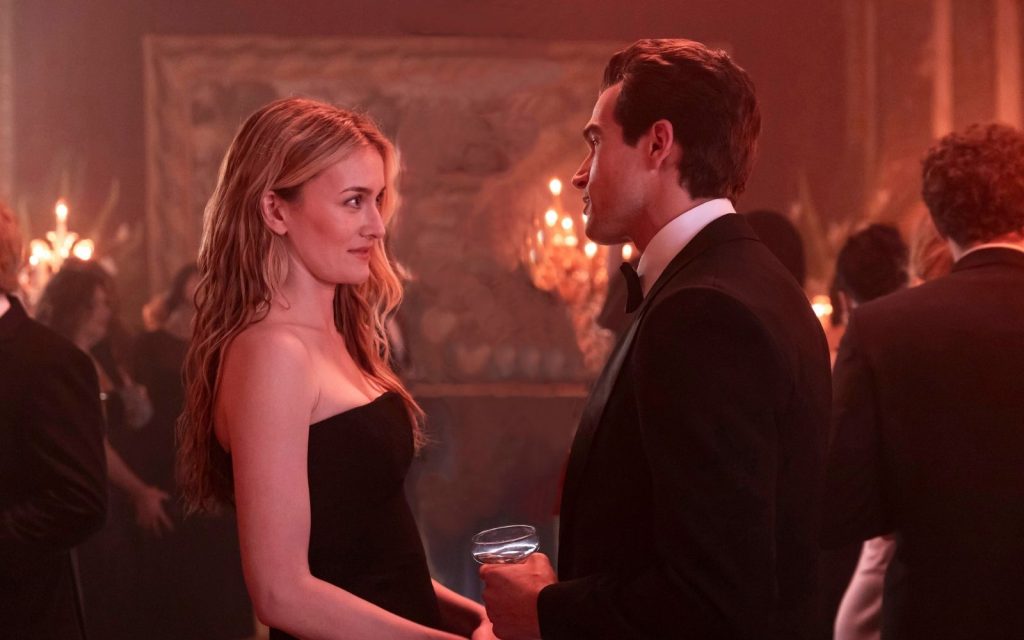
There are certain love stories the world refuses to leave in the past. Even when we already know how they end, we return to them, again and again, as if something in them remains unfinished. FX’s Love Story: John F. Kennedy Jr. & Carolyn Bessette is one of those stories.
Inspired by the real-life romance of one of America’s most mythologized couples, the series doesn’t simply retell history, it reawakens it. And its impact today proves just how alive that story still is. Becoming FX’s most-watched limited series of all time on Disney+ and Hulu, with over 40 million viewing hours within its first six episodes, the show has sparked a cultural resurgence. Online, the fascination is just as intense: searches for John F. Kennedy Jr. and Carolyn Bessette surged by 9,100% on TikTok within a single month, while #lovestory has generated more than 21 million posts worldwide. It is as if the world, collectively, has chosen to revisit a romance that was at once beautiful, stylish, and unbearably tragic, one it has never quite been able to let go of.
But beyond the numbers lies a more compelling question:
Why does a story we already know still hold such power?
Perhaps the answer is not in what happened, but in how it once made us feel.
Love Story does not aim to tell us more about who they were. Instead, it reveals why we are still drawn to them, why their presence lingers, why their image endures, why their story refuses to fade, even decades later.
Because at its core, this was never just a romance. It began as something almost too perfect not to be watched: a young man born into America’s closest thing to royalty, often called its “prince,” falling in love with a woman who rose from sales associate to fashion executive at Calvin Klein. Their relationship felt like a meeting of two distinct yet equally magnetic worlds, power and politics on one side, fashion and restraint on the other.
But instead of unfolding like a fairytale, it slowly revealed something far more fragile.
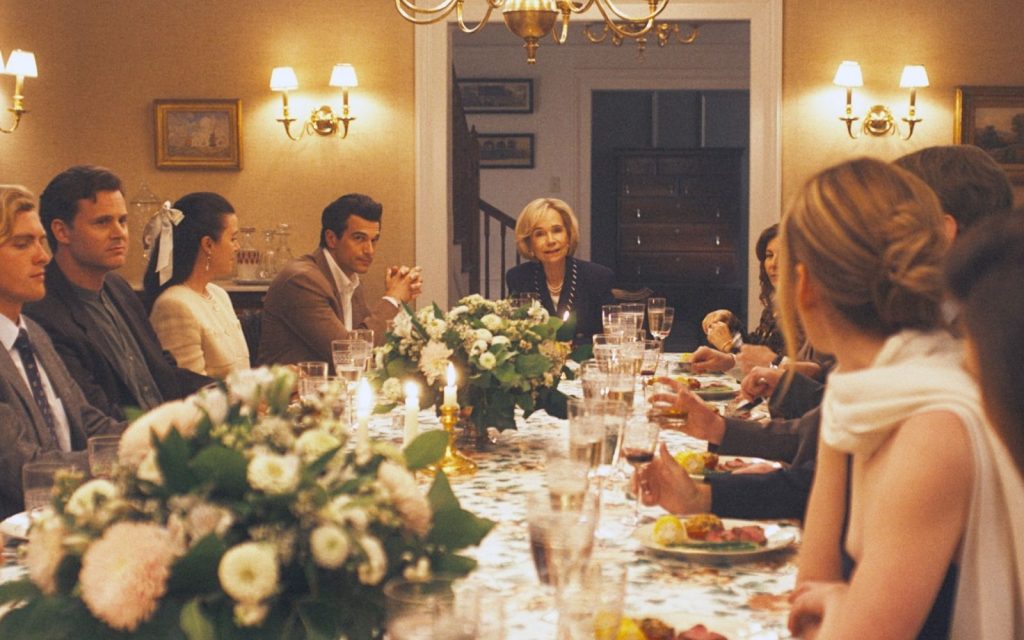
The pressure did not come from a lack of love.
It came from the fact that their love was never allowed to exist in private.
And this is precisely what the series refuses to soften.
Love Story does not romanticize perfection, it exposes imperfection as the very thing that makes the relationship feel real. It resists the urge to polish their narrative into an ideal, instead allowing us to see the tension, the exhaustion, the quiet fractures that form under constant scrutiny. The now-iconic paparazzi images, the pulling away, the walking off, the sudden return, the silent reconciliation, are not used for spectacle, but as emotional evidence. What the world saw may have lasted seconds. But those seconds became the defining image of a relationship.
Carolyn once admitted that she “hated living in a fishbowl,” and that sentiment becomes the emotional key to understanding everything. Behind the image of a woman often described as composed, cool, and impossibly refined was someone deeply uncomfortable with being seen, interpreted, and consumed by the public gaze. She did not become a fashion icon by trying to be one, but by trying, almost desperately, to disappear.

And in that contradiction, her presence became even more powerful.
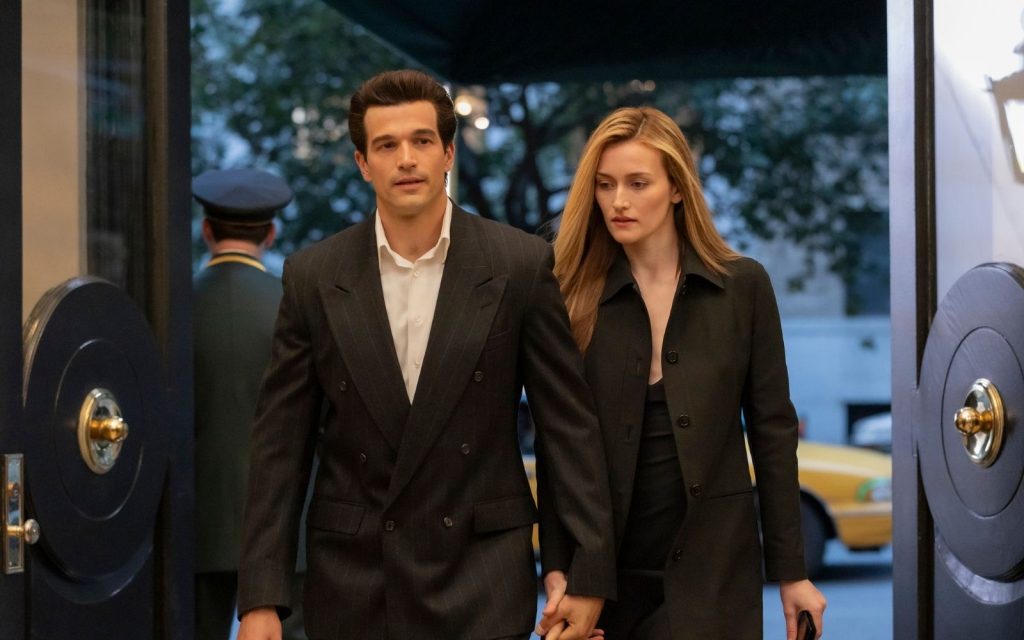
This is why fashion in Love Story feels so essential. It is not used to construct image, but to reveal identity. Carolyn’s white shirts, black coats, slip dresses, and stripped-back silhouettes do not announce themselves, they withhold. They suggest a form of luxury that does not perform, a kind of elegance that comes not from excess, but from subtraction. She dresses not to be understood, but to remain just out of reach.
And that is precisely why she remains so compelling, and so impossible to replicate.
It is no coincidence that the CBK Effect has resurfaced so strongly in 2026. The return of headbands, crisp white shirts, long black coats, and carefully understated minimalism is not merely nostalgia. It reflects a contemporary longing, for restraint, for clarity, for a form of luxury that does not need to shout to be seen.
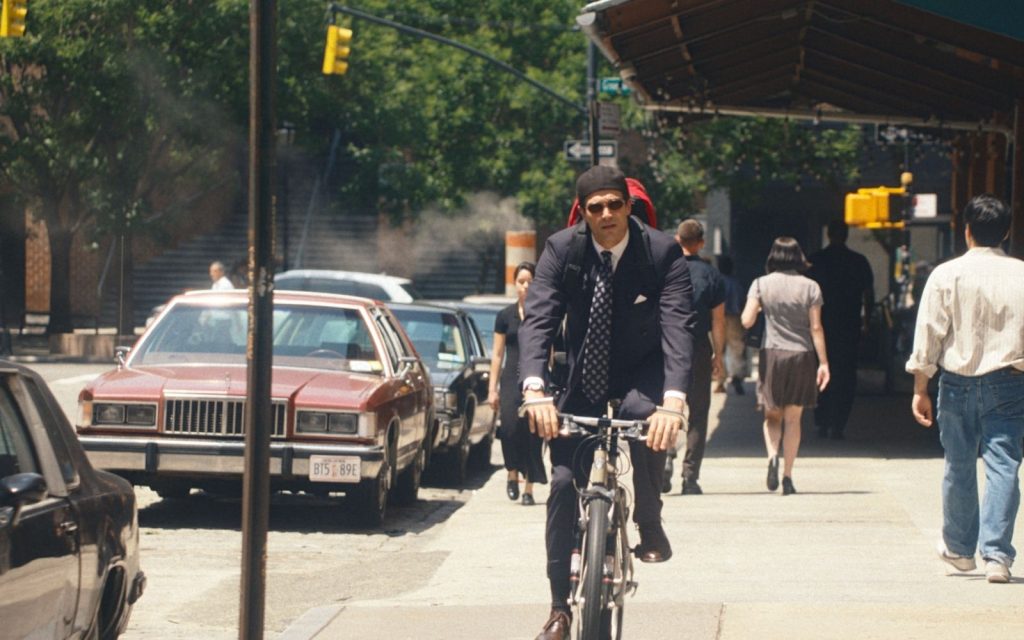
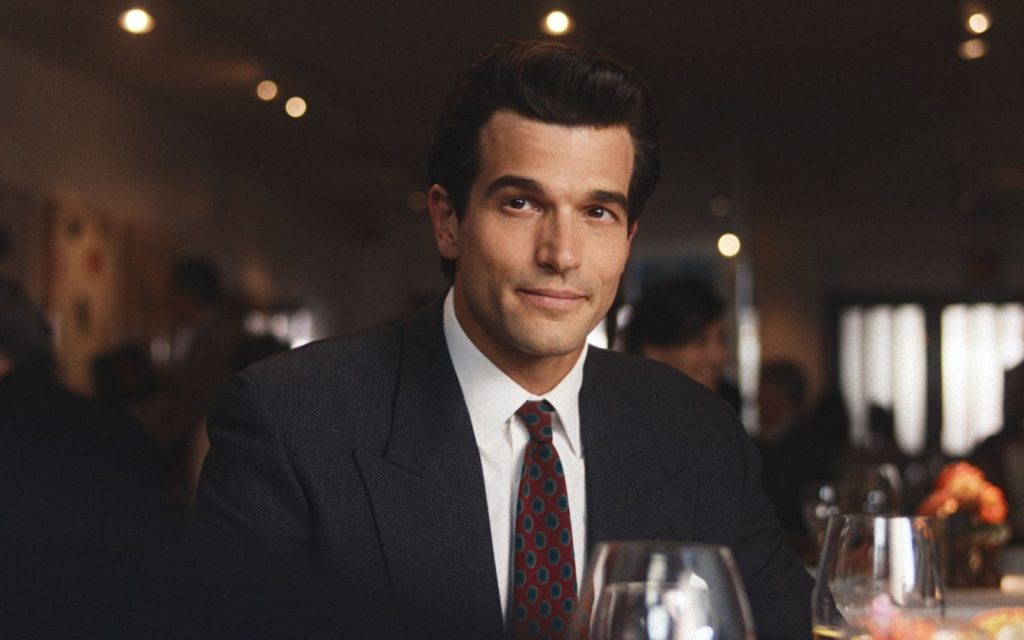
John F. Kennedy Jr., in contrast, embodied a different kind of image. His suits, whether from Giorgio Armani or Calvin Klein, paired effortlessly with running shoes, baseball caps, or a bicycle ride to the office of George magazine, created a persona that felt both elevated and accessible. He was not a prince sealed behind formality, but a man still moving through the world, still human within the weight of expectation.
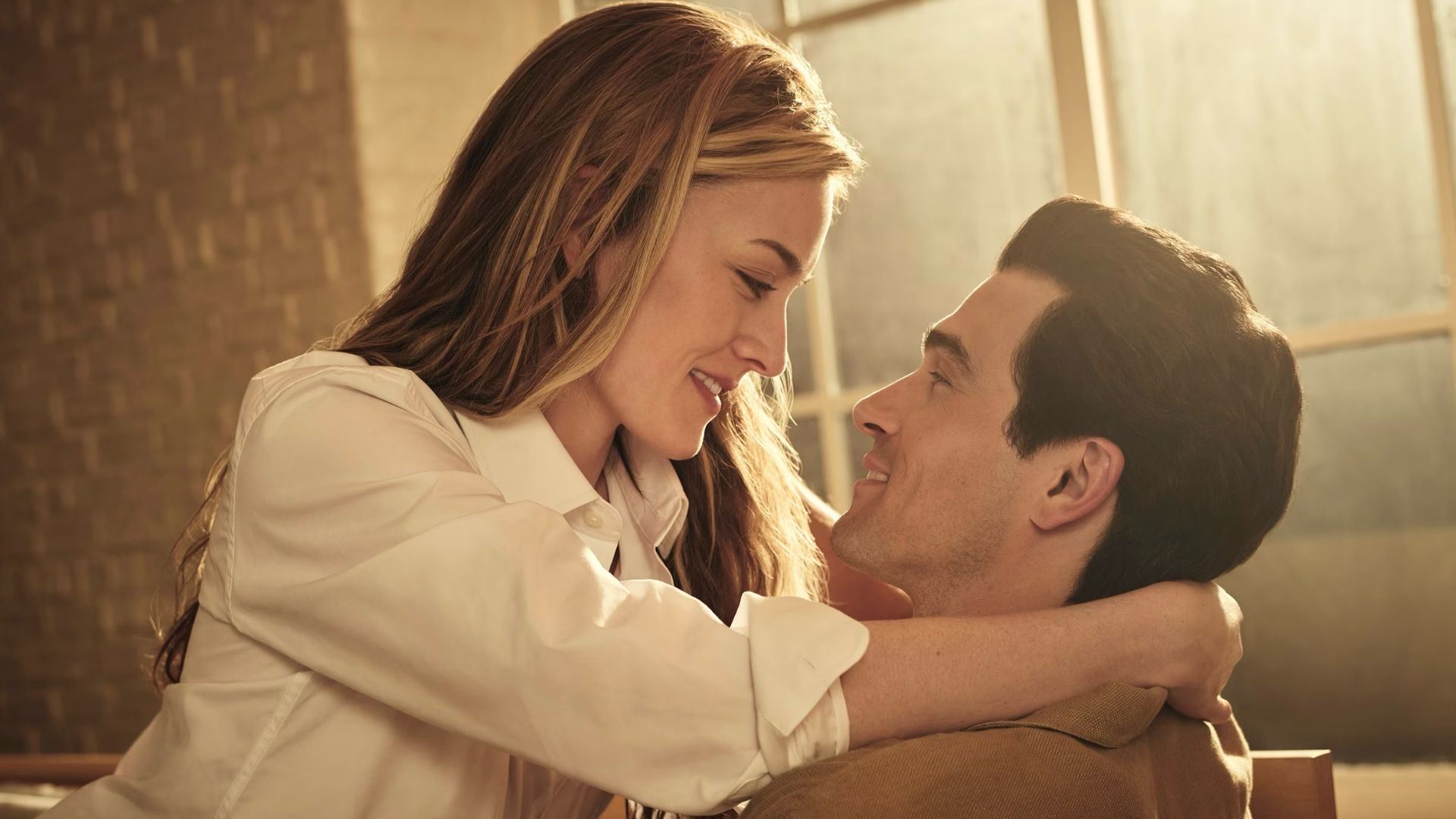
And when they appeared together, their styles did not compete, they conversed. Her restraint softened him; his visibility amplified her quiet. They did not dress alike, but they aligned. Their chemistry was not constructed through dialogue alone, but through posture, presence, and the subtle language of how two people occupy space together.
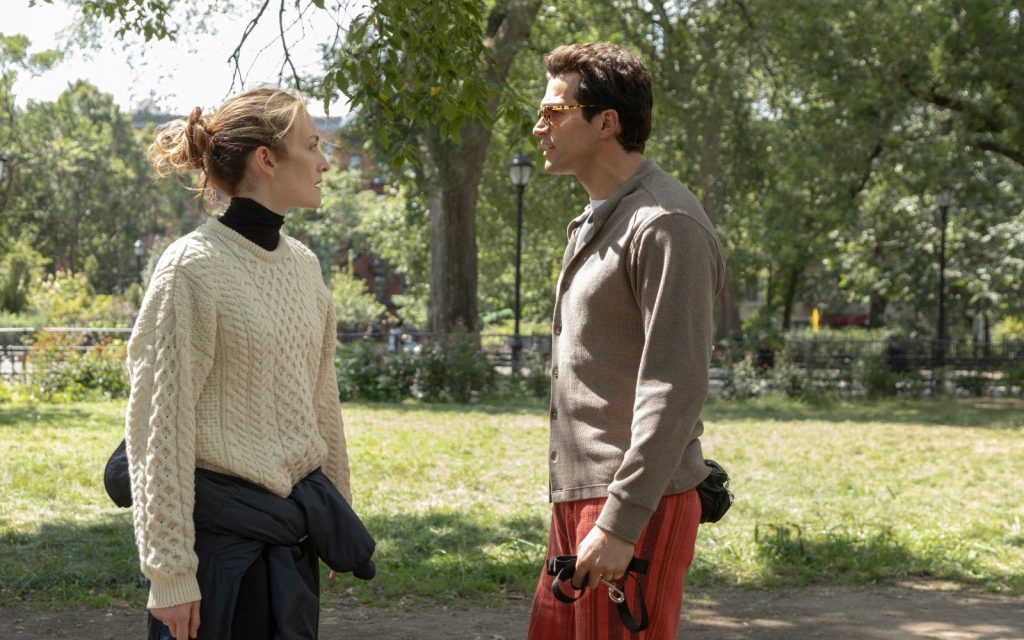
This is what the series captures so precisely, so much so that at times, it ceases to feel like performance.
The casting process, which saw over a thousand actors audition before settling on Paul Anthony Kelly and Sarah Pidgeon, was never about resemblance alone. It was about understanding the weight of being seen. Kelly studied JFK Jr.’s voice and cadence obsessively, while Pidgeon approached Carolyn not as an icon, but as a woman negotiating her relationship with visibility itself, what it means to be perceived, and what it costs.

What emerges is not imitation, but embodiment.
And beyond performance, the series extends this philosophy into every visual element. The world it creates is not overly polished, but deeply breathable. New York is rendered not as a glossy postcard, but as a lived-in space, full of flashbulbs, sidewalks, reflections, taxis, and fading daylight. The palette is restrained, almost monochromatic. Natural light dominates. Frames are composed with negative space, allowing us to feel the distance, between the characters, and between them and the world.

That distance becomes everything.
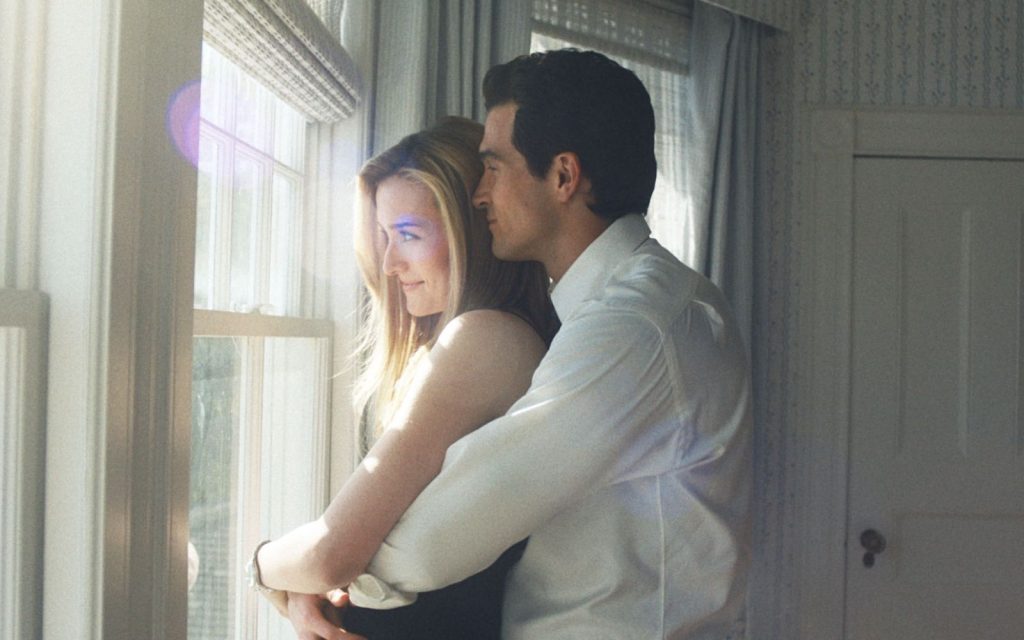
Nowhere is this more evident than in the wedding episode, a sequence that transforms historical detail into something closer to a fashion poem. Lit by candlelight, shaped by delay, layered with small, imperfect moments, a bride running late, sunglasses, a cigarette in the bath, the now-iconic Narciso Rodriguez dress, it becomes less about perfection and more about presence. What emerges is not a flawless image, but something far more human: a moment suspended between control and vulnerability.
And then there is the music.
The use of Common People by Pulp is not simply a stylistic choice, it is a conceptual one. A song about class and the longing to be ordinary plays over a couple perceived as anything but. And in that contrast lies the truth: beneath the image of privilege, what they seemed to desire most was something disarmingly simple, a life that felt normal.
When the series places them in the water, alone, as if the world has momentarily disappeared, the image becomes both romantic and devastating. Because we know it cannot last. The water becomes a temporary refuge, free from clothing, from class, from headlines, from the gaze itself.
A place they could only exist in for a moment.
And that, perhaps, is the quiet tragedy the series never states outright.
It is not tragic because of how it ends.
It is tragic because of what never had the chance to fully exist.
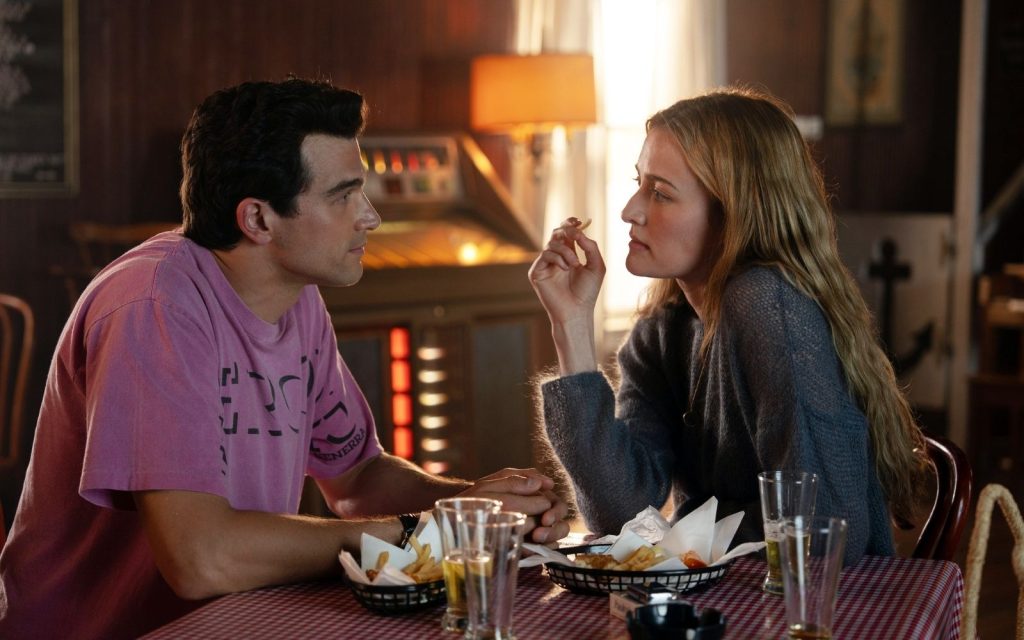
To read Love Story fully, one must look at “being seen” as much as “being in love.” Because at its core, this is not just a story about a relationship, it is a story about what happens to love when it is constantly observed, interpreted, and consumed. In that sense, it feels eerily contemporary. Because today, in different ways, we all perform versions of ourselves under watchful eyes, only the scale has changed.
Of course, the series is not without controversy. Those close to the real John and Carolyn have questioned its dramatization, arguing that it simplifies a far more complex reality. And that criticism matters. It reminds us that Love Story is not truth, it is an interpretation of it.
But perhaps that is precisely why it resonates.
Because this story has never belonged to one version of truth alone.
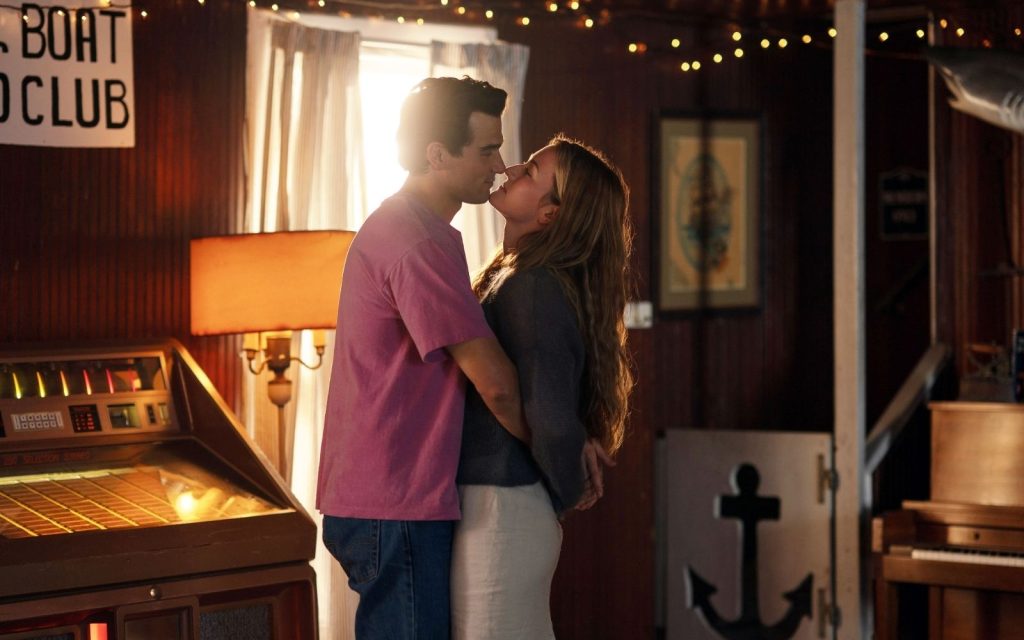
It exists in fragments,
in memory, in media, in myth, and now, in cinema.
And maybe that is why it still holds us.
Because in the end, Love Story leaves us not with answers, but with a question that lingers long after the final frame fades:
Did we fall in love with who they were,
or with what they came to represent?
A quiet kind of elegance.
A romance that did not need explanation.
A form of fashion that never asked for attention, yet held it completely.
Perhaps it is all of these at once.
And that is why Love Story is not just a series to watch,
but one to be read.
Through fabric, light, music, silence, fracture,
and through two people trying to protect something real
in a world that never stopped looking.