
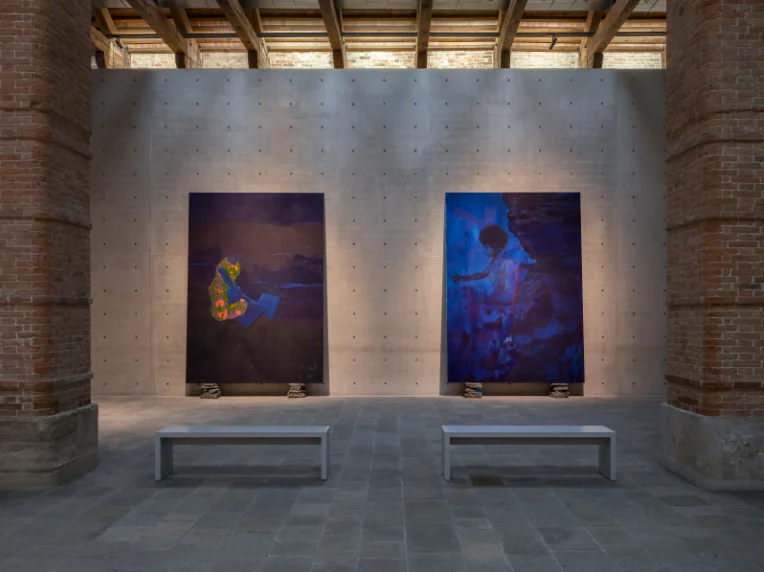

In a moment when the contemporary art world finds itself increasingly preoccupied with questions of narrative and identity, the arrival of Lorna Simpson. Third Person at Punta della Dogana is far more than a conventional exhibition. It unfolds instead as a contemplative space, one that invites viewers to navigate the layered terrains of memory, representation, and the subtle ambiguities embedded within the image.
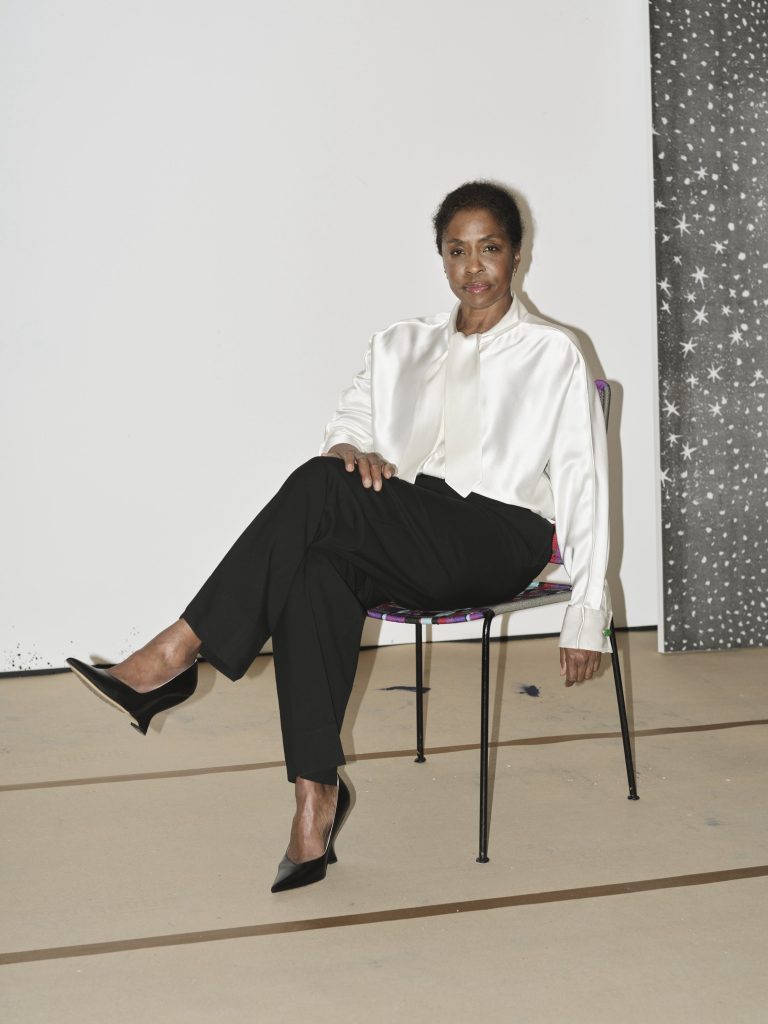
This discursive terrain is supported by Bottega Veneta, whose involvement extends beyond a simple dialogue between fashion and art. It reflects a longstanding philosophy rooted in craftsmanship and cultural storytelling, values that find a natural resonance in Venice, the brand’s birthplace. Here, the city itself continues to function as both a stage and a catalyst for global creative expression, its historic textures echoing through contemporary gestures.
Curated by Emma Lavigne, Director of the Pinault Collection, the exhibition brings together more than fifty works by Lorna Simpson. Long recognised for her seminal contributions to conceptual photography since the 1990s, Simpson has, in recent years, expanded her practice into painting, collage, and installation, each medium serving as an evolving language through which her ideas continue to unfold.
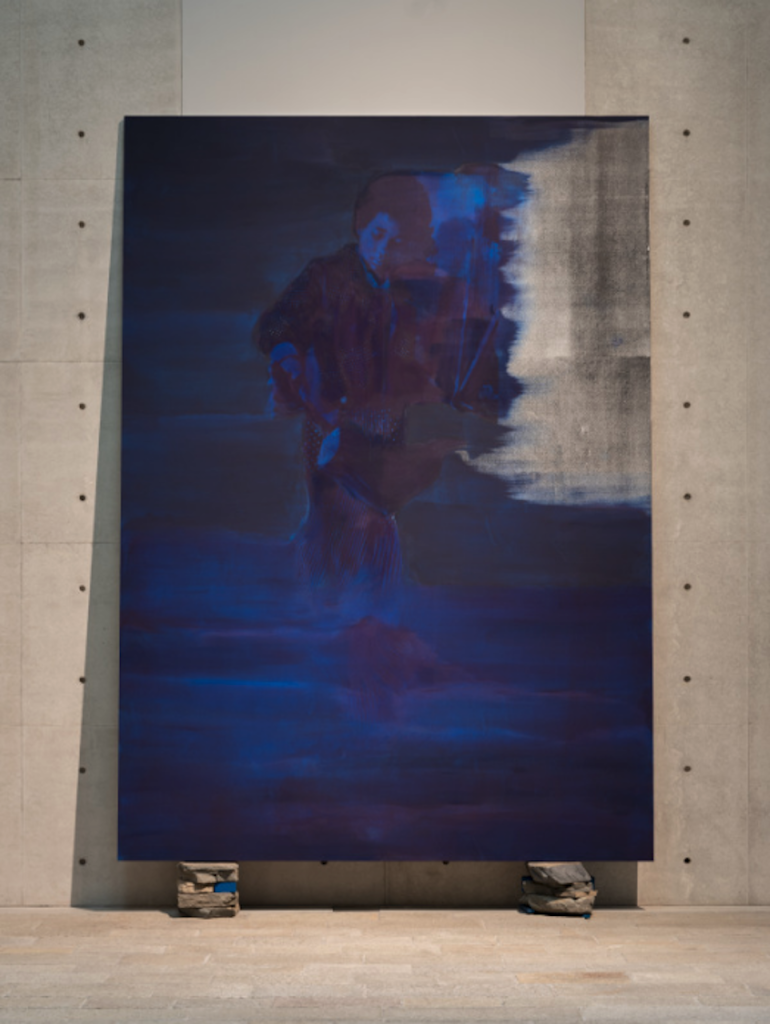
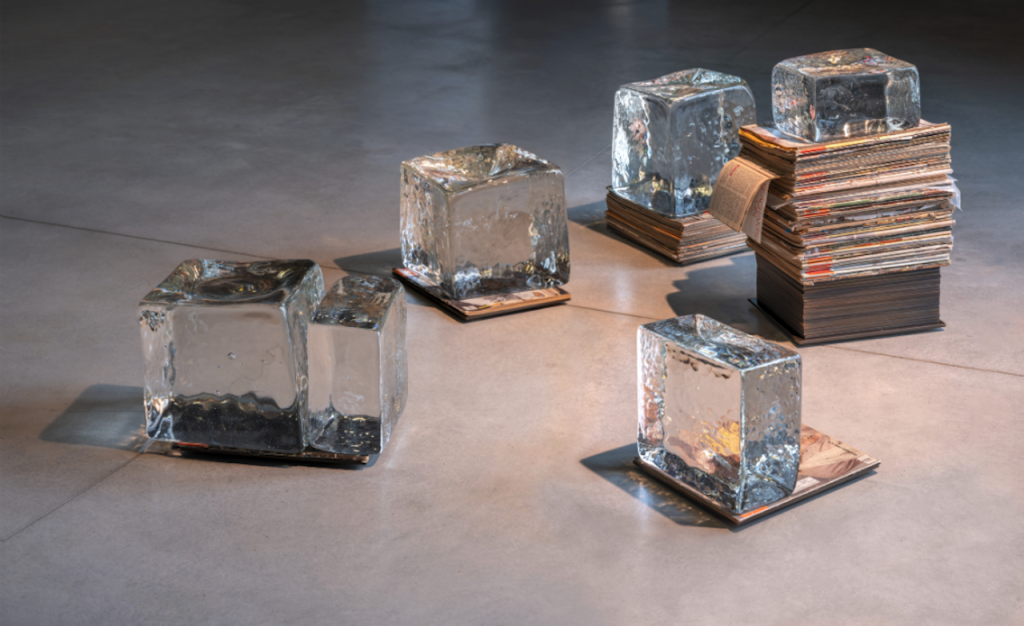
What sustains the enduring relevance of Simpson’s work, beyond its formal precision, is its insistence on questioning the image as a site of perception. Her practice resists the notion of the image as merely something to be seen; instead, it operates as a mechanism through which underlying structures are revealed. Questions of identity, collective memory, and open-ended interpretation emerge not as fixed statements, but as fluid propositions. Within the exhibition, key bodies of work such as Ice, Special Characters and Earth and Sky articulate these concerns with striking clarity.
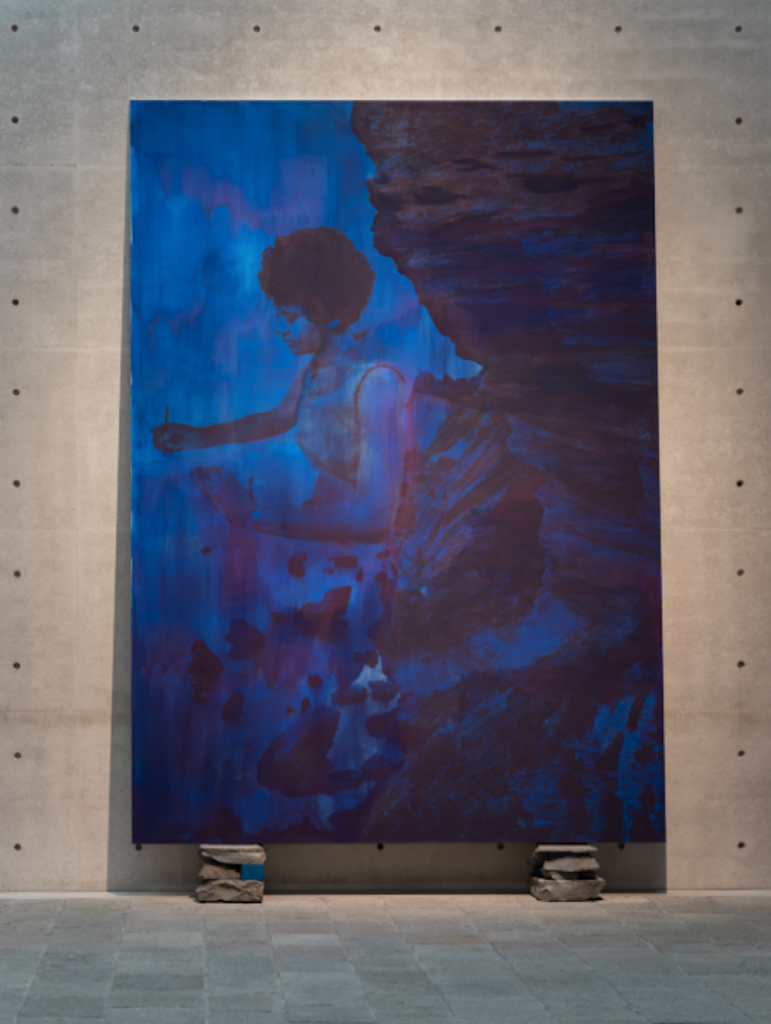
A further point of intrigue lies in the exhibition’s evolution from its earlier presentation at the Metropolitan Museum of Art in New York, where it was shown under the title Source Notes. Reimagined within the Venetian context, the current iteration introduces newly selected works alongside pieces conceived specifically for the site. As such, the exhibition is not merely a continuation, but a rearticulation, an unfolding dialogue between artist, place, and viewer.
In another dimension, Bottega Veneta’s support reinforces its longstanding relationship with the Pinault Collection, underscoring the brand’s role as a patron of contemporary culture. Through ongoing collaborations and its presence within global platforms such as the Venice Biennale, the house continues to position itself not simply as a producer of luxury goods, but as an active contributor to the cultural landscape.
Ultimately, Lorna Simpson. Third Person is not simply an exhibition that surveys over two decades of artistic practice. It is, rather, an invitation, to pause, to look again, and to reconsider the fragile boundary between what is seen and what is believed. In an age defined by the velocity of images, Simpson’s work restores a certain gravity to the act of looking, reminding us that perception is never neutral, and that meaning is always, quietly, in flux.