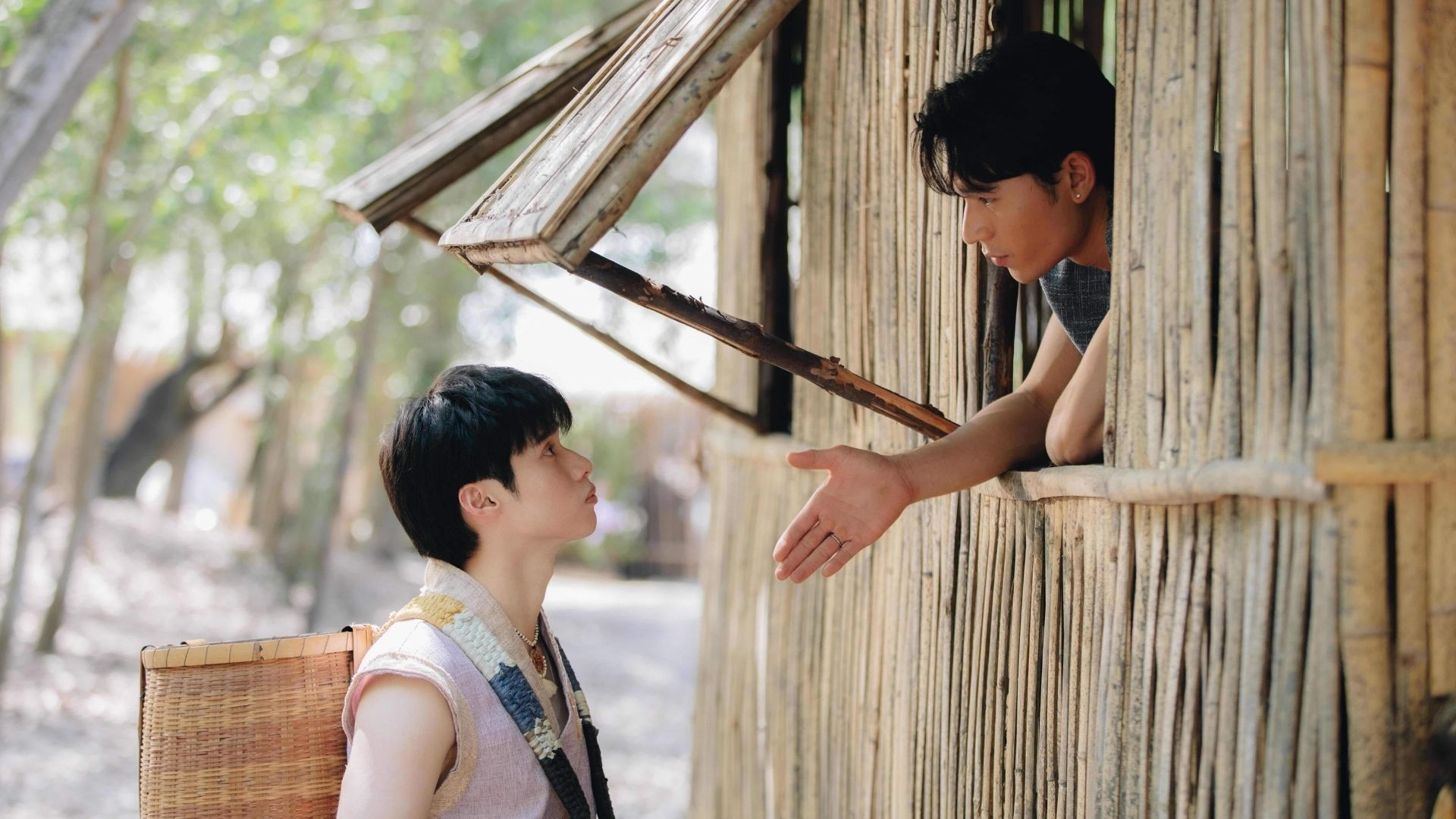


The conversation begins quietly. No introduction. No framing. No grand opening questions. No interview language. No ceremony. Just two chairs in an editing room, and two people talking about life, work, and thought, at a pace that doesn’t rush, doesn’t perform, and doesn’t try to explain itself to anyone.
By Manit Maneephantakun and Nawapol Thamrongrattanarit
Nawapol Thamrongrattanarit does not begin by speaking about Human Resources as a “new film.” He begins from his own rhythm of thought.
“When a project ends, I immediately start thinking about the next one. It feels natural. We know how long it takes to make a film. If you stop for a year and do nothing, everything shifts forward even more. So when one project is nearing its end, you already start thinking about what comes next.”
He doesn’t speak with the urgency of someone rushing, but with the calm of someone who understands time, the time of work, the rhythm of creation, and the truth that thinking is not acceleration, but staying with a process.
“We know the process takes a year, a year and a half, two years. If we don’t start now, it will take much longer. And I want to keep making films continuously.”
These words don’t sound like career planning. They sound like a mental landscape, the internal geography of someone who has lived with storytelling for so long that it has become a life system. And the thinking that would eventually lead to Human Resources does not begin with “a film,” but with one of the most ordinary questions of life.
“It started from the question: should we have a child, or not?”
Not a dramatic question. Not a cinematic question. Just a question that appears naturally, through age, through society, through friends, through everyday conversations.
“It’s really about age. All the films I make follow age. We write from our own experiences, or the experiences of people around us. Friends start families. Some already have children, some are about to. It becomes a daily topic of conversation.”
And the question of having a child slowly moves beyond itself.
“Once you start from this topic, it’s no longer just about having one or not having one. It starts asking: what is birth? What is life? What does it mean to exist? And how does life relate to society, to structures, to economics, to politics?”

From family to society.
From the personal to the structural.
From life to systems.
From love to responsibility.
From the human to the world.
Until one simple thought appears.
“Giving birth to someone is like bringing someone into the world. They’re like a new employee joining a company called ‘the world.’”
It doesn’t sound like a plot idea. It sounds like a thinking language, the translation of life into systems.
“HR is the person who brings someone into a company, parallel to someone bringing another person into the world.”
From that point, Human Resources stops being a film about a profession. It becomes a film about the world as an organization, life as a system, humans as resources, birth as a process.
When #legend asks why HR, Nawapol doesn’t answer in terms of story, but in terms of life structure.
“HR meets many people. When you interview a new graduate, you’re talking to a new generation. At the same time, you’re also a mediator for the older generation. So this person becomes a kind of bridge, someone who sees both above and below, who sees the world more broadly than others.”
HR, in his language, is not a job, but a symbolic position:
a middle figure,
a system observer,
a world connector.
And when that HR figure is pregnant:
“In the film, the character is already pregnant, but she’s uncertain whether she should bring the child into the world or not. That question stays in her mind while she goes back to work, to daily life. The events she encounters each day influence her decision.”
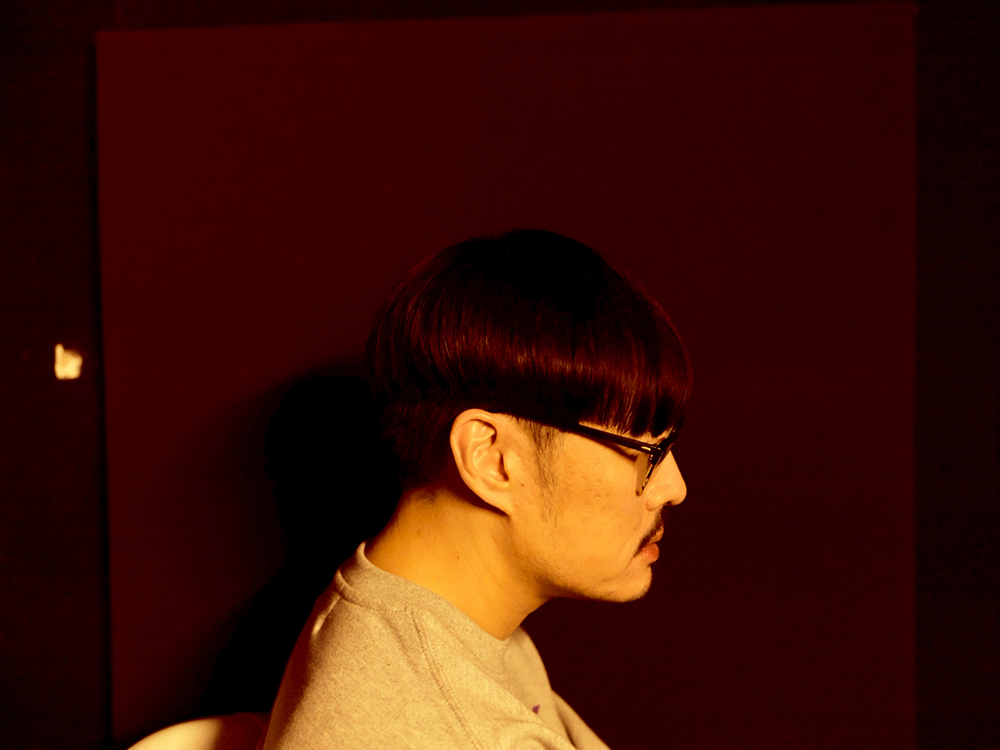
Life questions and work questions overlap. Inner worlds and outer worlds merge. Organizational structures and life structures occupy the same space.
Human Resources is not linear storytelling, it is questioning cinema.
“It’s not about suspense, not about ‘what will she decide?’ It’s more like: you’ve had this question before, right? You’ve thought about this, right? But you’ve never really sat with it, right?”
“This is a film that is a question, not a film that is an answer.”
The directing method follows the same mindset.
“These aren’t special characters. They’re ordinary people reacting to situations. If you were in this situation, how would you react?”
Actors are not posed, not staged, not formula-directed. They are placed in situations and allowed to respond.
“I explain the situation broadly and let them try. It’s reaction, not waiting for scripted lines.”
The film becomes a film of the unspoken.
“It’s about what stays inside. Like real life, we feel many things we can’t say.”
“It’s easier to speak. Not speaking is harder.”
And this leads him to a new cinematic language.
“For the first time, I felt I could read thoughts through the actors’ eyes, even when they weren’t speaking. When you watch the monitor, you can feel what the character is thinking.”
The conversation flows into his journey as a filmmaker, film nine, year thirteen.
He doesn’t speak of confidence as success, but as self-understanding.
“It’s not extreme confidence. It’s the feeling that I understand myself, I know what I’m good at.”
He speaks of his 30s as experimentation: wanting mass reach, wanting connection, wanting identity. But entering his 40s:
“It becomes a phase where you invest in what you’re good at. You make what you are into something that works. The confidence comes from understanding yourself, not from feeling superior.”
Even bringing the film to Venice Film Festival is described quietly.
“It wasn’t a ‘yes, I’ve made it’ feeling. It was more like: I really have to be myself.”
“It wasn’t success as winning awards. It was experience, seeing how the world works, how the market works, how audiences work.”

The conversation moves into cinema, platforms, streaming, social media, TikTok, YouTube, attention economies.
“People’s attention is completely dispersed. Film is no longer the center.”
“It’s like a constantly spinning universe. We try to find patterns, but the patterns don’t stay still.”
He doesn’t resist new worlds. He doesn’t blame technology. He doesn’t blame audiences. He chooses grounding.
“We just do our work, and then see where it sits on the map.”
From cinema to generations, not as marketing language, but as lived reality.
“I don’t really feel that generations define people that much. People are just people.”
“Society likes classification: X, Y, Z because it’s easy. But life doesn’t work that way.”
And about Gen Z:
“I think Gen Z is a generation that feels they can be anything. They grow up with multiple possibilities, extreme possibilities. The world allows it, because every possibility has its own community.”
“For me, it’s about people more than generations.”
From media systems back to the body, life, age, energy, structure.
“In your 40s, your interests become clearer. Small distractions disappear. Only things that really matter remain.”
Health becomes real. Structure becomes necessary.
“Mornings are clearer for thinking. Writing is sharper. Life starts to become more organized.”
Not lifestyle, but inner architecture.
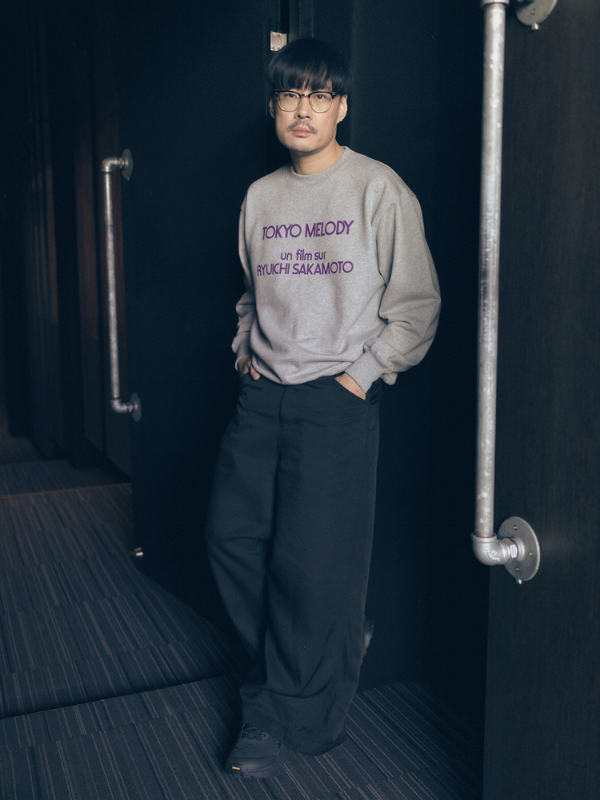
And the conversation returns to the core of Human Resources:
Life as system.
World as structure.
Human as vulnerability.
Birth as responsibility.
Work as identity.
Selfhood as stability.
Until everything circles back to one sentence:
“It’s confidence that comes from understanding yourself.”
Not confidence from success.
Not confidence from achievement.
But confidence from knowing who you are.
“Knowing what you’re doing, and being able to live with its consequences.”
In a fast world, a rushed system, a hyper-speed industry, a hurried society, self-understanding becomes a new form of stability.
And Human Resources becomes the outcome of that stability, not as a film, but as a life.
The life of a filmmaker who doesn’t race, doesn’t rush, doesn’t chase noise, doesn’t compete, doesn’t imitate, doesn’t perform, but is stable enough to say:
“This is who I am.”
And that may be the most important human resource of all:
not in the story,
not in the world,
but in Nawapol Thamrongrattanarit himself.