


Reported by Manit Maneephantakun
Human Resource (พนักงานใหม่ – โปรดรับไว้พิจารณา) by Nawapol Thamrongrattanarit does not feel like a “film about an issue” from the moment it begins. Instead, it feels like a fragment of life captured on film, a quiet slice of existence. No major events. No dramatic turning points. No explosive emotional climaxes. Just small, ordinary details of daily life, the kind we are so used to that we barely recognize their weight.

The film doesn’t rush us anywhere. It doesn’t push the story forward aggressively. It doesn’t pull us with dramatic tension. It doesn’t try to sell drama.
It simply invites us to stay. To stay with the characters.
With the rooms.
With the office.
With traffic jams.
With desks.
With phone calls.
With meetings.
With sighs.
With silence.
And the dominant emotion of the film is not sadness, not anger, not despair, but something much simpler than that: fatigue.
Not cinematic fatigue. Not dramatic exhaustion. Not collapse. But adult fatigue. Working-life fatigue. The tiredness of people who have to manage life.
Human Resource is not a story about struggle. It is a story about holding things together. Holding work together. Holding relationships together. Holding family together. Holding expectations together. Holding dreams together. Holding emotions together. Holding mental stability together. Holding humanity together.

The film does not ask how we change the world. It asks a quieter, deeper question: how do we live in this world without breaking?
One of the film’s greatest strengths is that it refuses to make life look special. It doesn’t romanticize hardship. It doesn’t aestheticize suffering. It doesn’t turn exhaustion into beauty. It makes it ordinary.
And that ordinariness is exactly what makes it real and relatable. Because real life isn’t made of grand scenes, not turning points, not climaxes, not peak moments. Real life is routine. Repetition. Cycles. Day after day. Small things. Accumulated details. Weariness. Fatigue. Habit.
The characters in Human Resource are not built as social symbols. Not archetypes. Not metaphors. Not representations. They are simply people.
People who work.
People who go home.
People who eat.
People who talk to their partners.
People who meet their bosses.
People who absorb pressure.
People who try to fulfill their roles.
People who try to be good people.
People who try to be okay people.
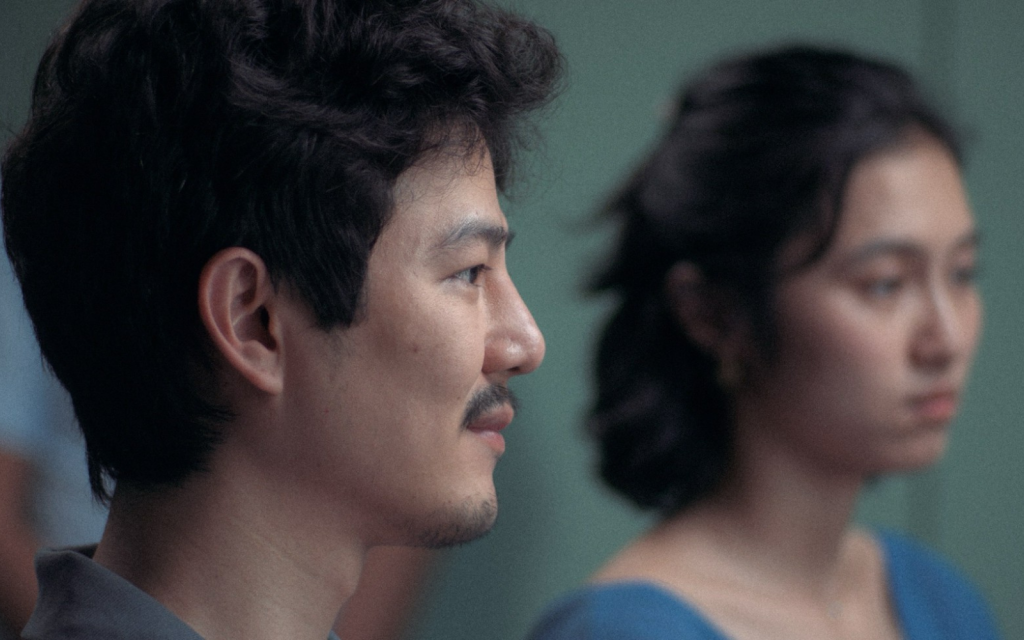
And this is the core of the film.
Human Resource does not ask how we become successful. How we become rich. How we go far. How we win. It asks something smaller, and far more real: how do we become ordinary people who are okay?
Okay with work.
Okay with people.
Okay with life.
Okay with our environment.
Okay with the world.
Okay with ourselves.
Without becoming hardened. Without becoming numb. Without losing faith in others. Without losing feeling. Without living on autopilot.
This is not a film about fighting the system. It is about staying human inside the system. Not confrontation, but preservation. Not revolution, but self-protection. Not changing the world, but refusing to let the world erase who you are.
The characters are not heroic. Not brave in cinematic ways. Not rebels. Not radicals. They are simply decent ordinary people. People who try not to harm others. Who try to do their jobs. Who try not to create problems. Who try not to burden anyone. Who try to coexist.
And this is the hardest part of adulthood: not chasing dreams, but living with other people.
Living with bosses.
With coworkers.
With family.
With systems.
With society.
With expectations.
With people who think differently.
With people who are unfair.
With people who are not okay.
Without becoming not okay yourself.
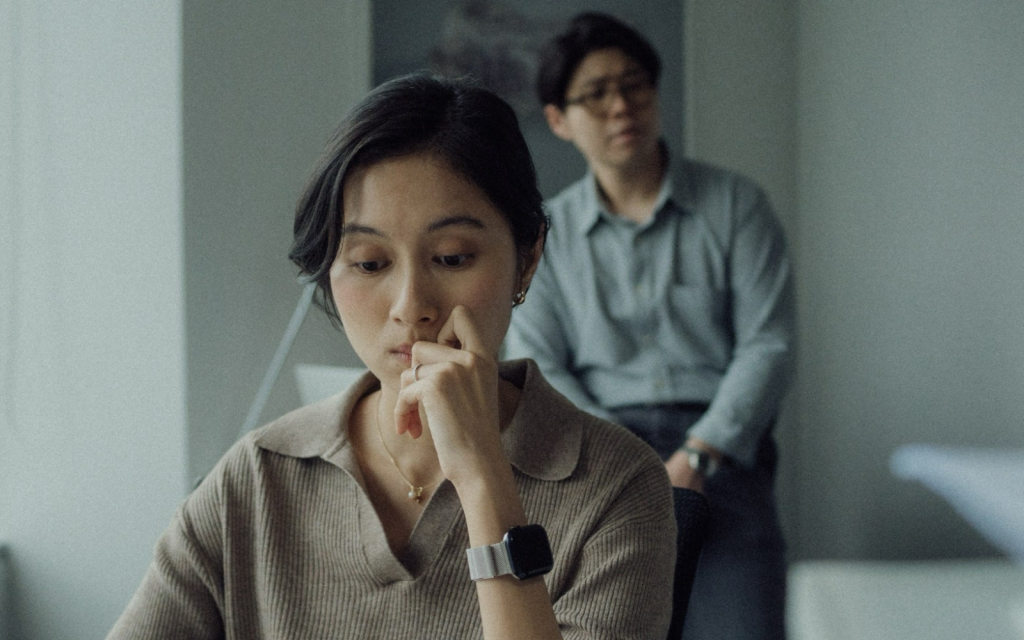
Human Resource is not a film about breaking down. It is a film about not breaking. Not breaking psychologically. Not breaking emotionally. Not breaking morally. Not breaking as a person.
It is a film about ordinary people. Not special people. Not powerful people. Not world-changers. Just people trying not to harm the world, and not to let the world destroy them.
The beauty of this film lies in its restraint. It doesn’t force emotion. It doesn’t manipulate tears. It doesn’t demand sympathy. It doesn’t use music to pressure feeling. It allows emotion to emerge naturally from coexistence with the characters.
You watch.
You listen.
You stay.
You exist alongside them.
And one day you realize: this is my life.
Not because of the events. But because of the rhythm of life. The rhythm of thought. The rhythm of fatigue. The rhythm of silence. The rhythm of endurance. The rhythm of continuing.
Human Resource is not a loud film. It speaks softly. And because it is soft, it stays with you. It is not a film that makes you cry. It is a film that makes you quiet.
Not empty quiet, but reflective quiet. Feeling quiet. Recognizing quiet. Seeing yourself quiet.
And when the film ends, the question it never asks directly, but leaves inside you, is simple:
What kind of person am I becoming in this world?
Am I okay, or just good at enduring?
Do I still feel, or have I just adapted?
Do I still hope, or am I just functioning?
Am I still human, or just another function of a system?
Human Resource does not give answers. But it performs one of cinema’s most honest functions: it makes us stop and look at ourselves. Not the world. Not the system. Not society. But our own lives, in a way we rarely take time to see.
And that is why it is a quietly powerful film. Not because of its themes. Not because of its concepts. Not because of its interpretations. But because it speaks directly to being human, without shouting, without explaining, without instructing.
Human Resource does not ask what the world is like. It asks: what kind of person will you be in this world?
And perhaps that question is more important than success, more important than career, more important than stability, more important than the future itself. Because in the end, life is not measured by how far we go, but by whether we are still ourselves.
In a world that isn’t easy.
In work that isn’t easy.
In life that isn’t easy.
In people who aren’t easy.
Human Resource does not try to give answers. It simply chooses to stay with the question: honestly. And that quiet honesty is the film’s deepest beauty.
What qualities does a “new hire” need to pass the evaluation in a company called “the world”?
A story of an HR officer who must find “new hires” for the world of work, while, at the same time, deciding whether to bring another life as a “new hire” into the world of reality.
“HUMAN RESOURCE” A thought-provoking urban life film. Starring Eur-ingoi Prabamond Eiamchan, Petch Phopetch Charoensuk, Atom Chanakarn Rattan-udom, and Pimma (PiXXiE) Pimmada Jaisaksareun. Directed by Nawapol Thamrongrattanarit.
Applications open simultaneously. January 29, in cinemas.