

In remembrance by Manit Maneephantakun.
“Valentino, may you live to be a hundred.”
This was Jacqueline Kennedy Onassis’s wish for him in 1966, and he almost made it. Valentino Clemente Ludovico Garavani has passed away at the age of 93, leaving behind a legend, red dresses, and a definition of “beauty” that never retires. In an era when Yves Saint Laurent was called the King of Fashion and Karl Lagerfeld the Emperor of the Age, the fashion world knew him as The Chic, until the documentary Valentino: The Last Emperor (2008) bestowed upon him the title that fit best: the last emperor of haute couture. He once distilled his philosophy of design into a single, disarmingly simple sentence: “I know what women want, they want to be beautiful.” He spent his entire life proving that beauty is not superficial, but an expression of art, culture, and a woman’s dignity.
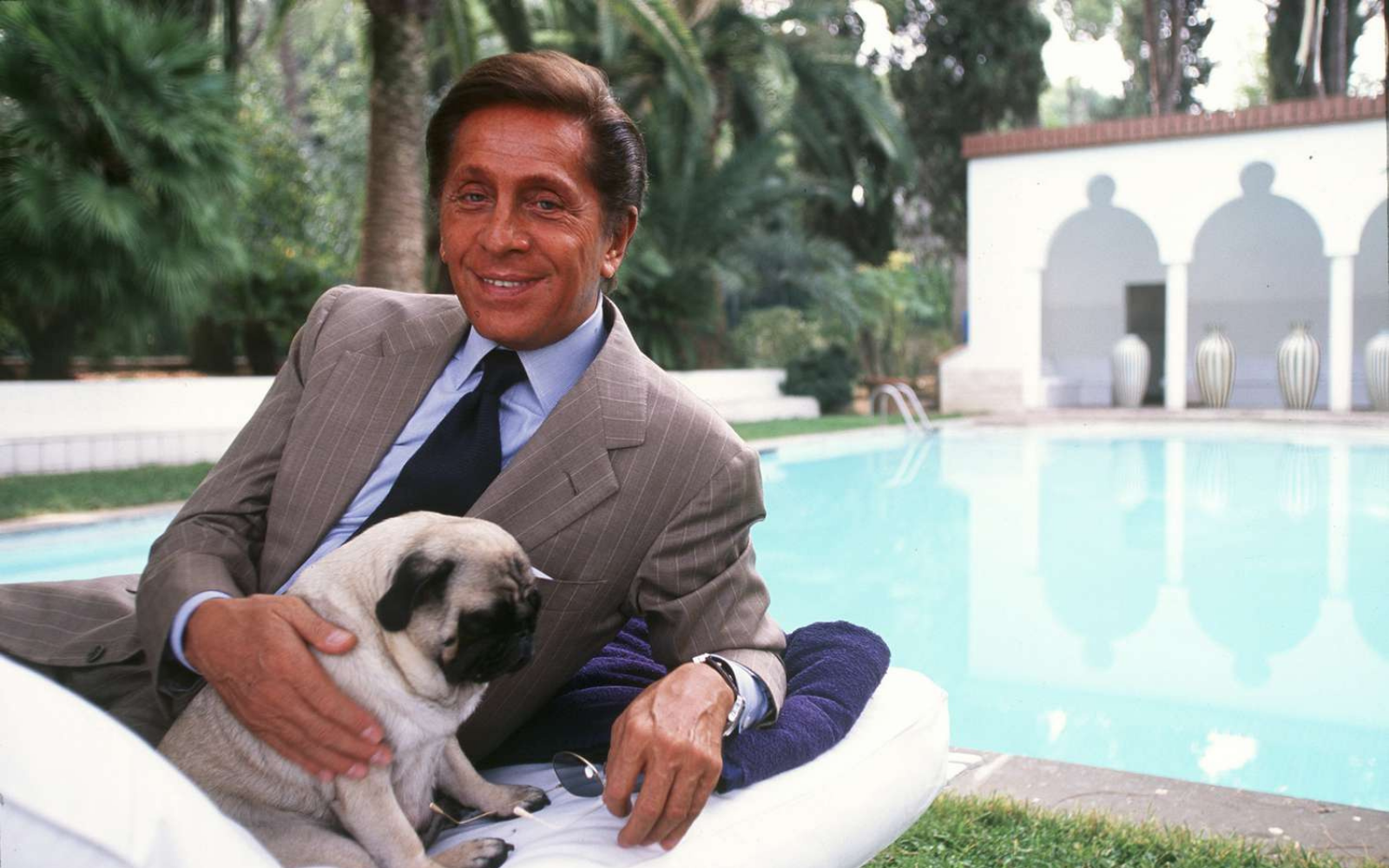
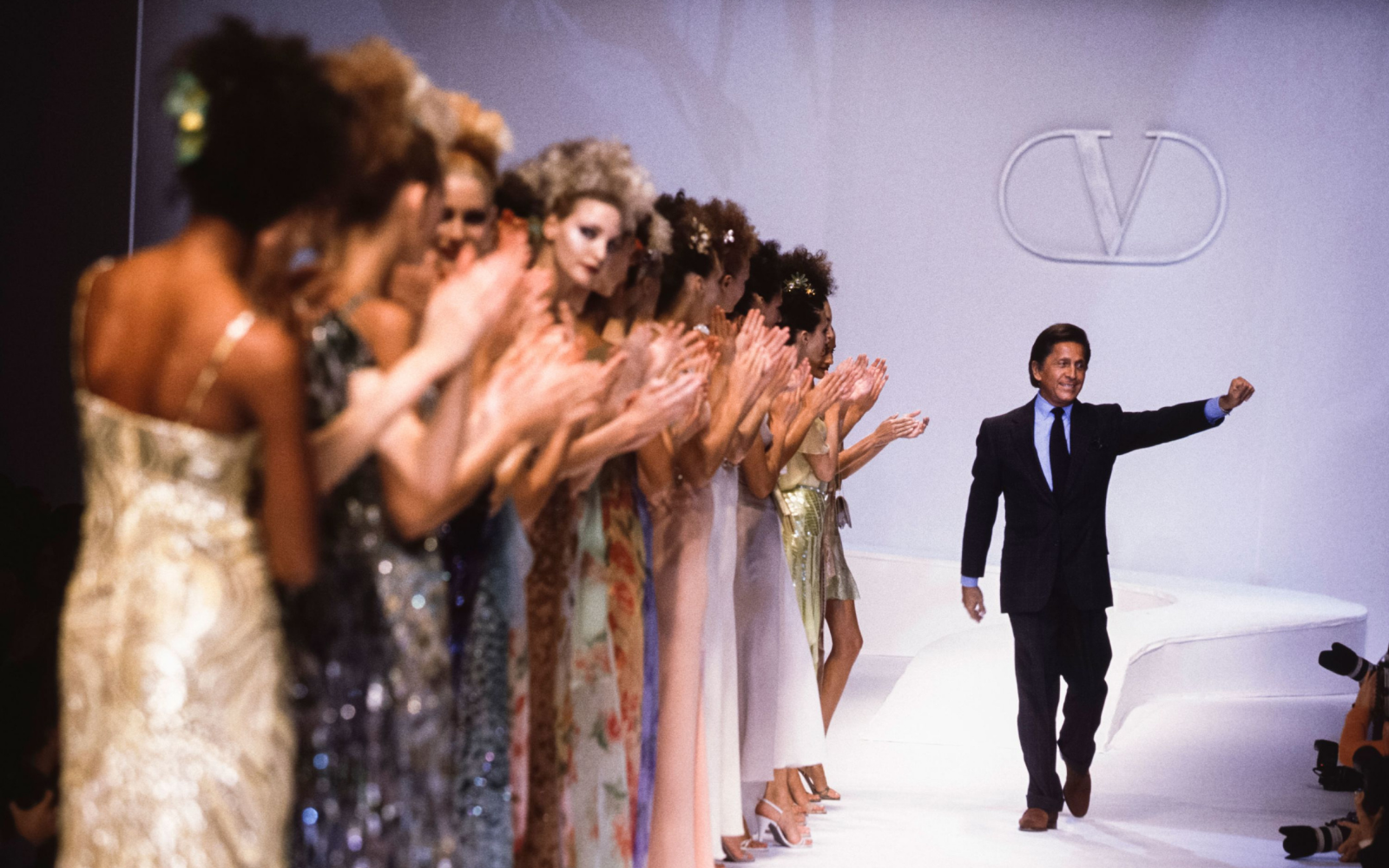
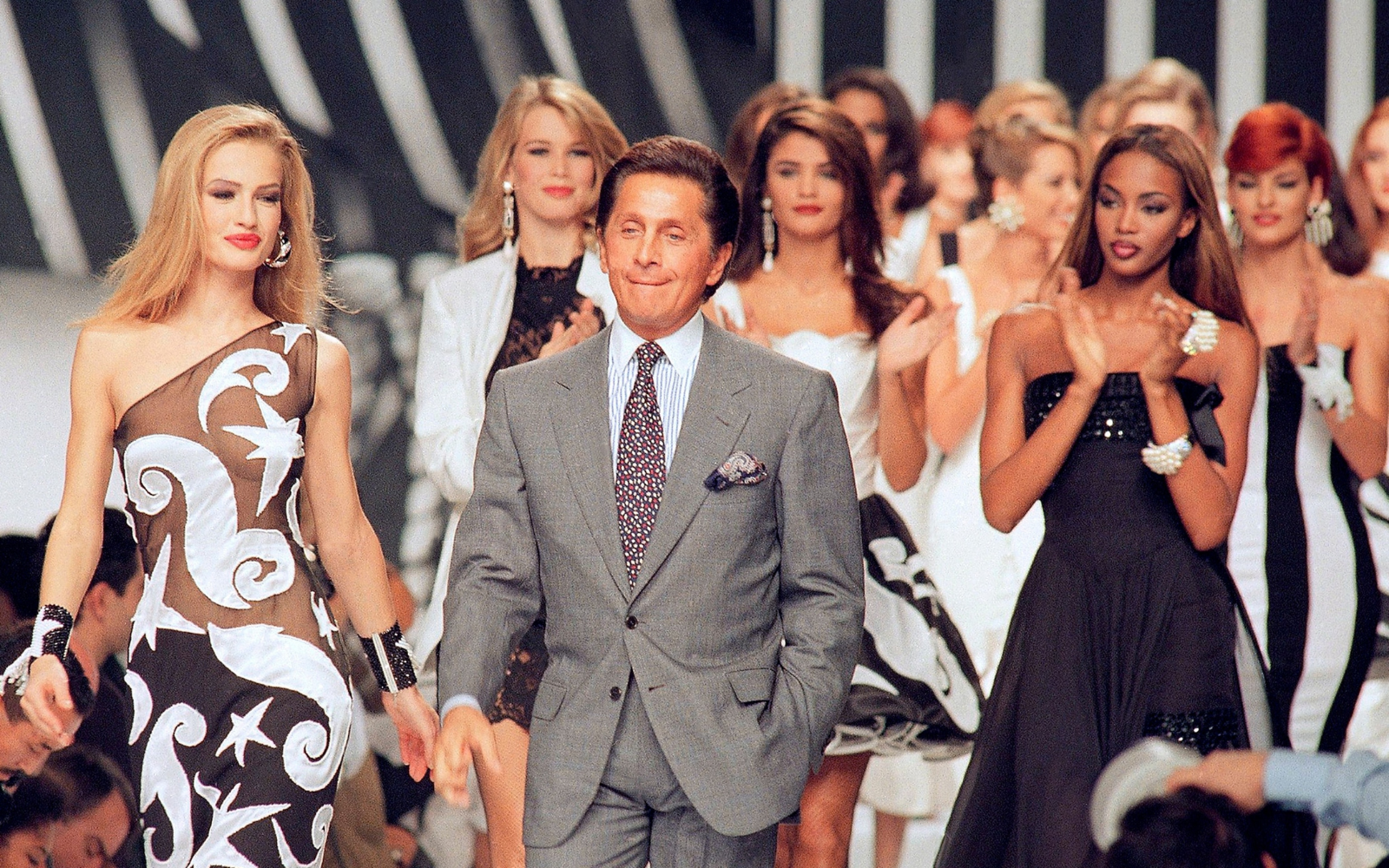
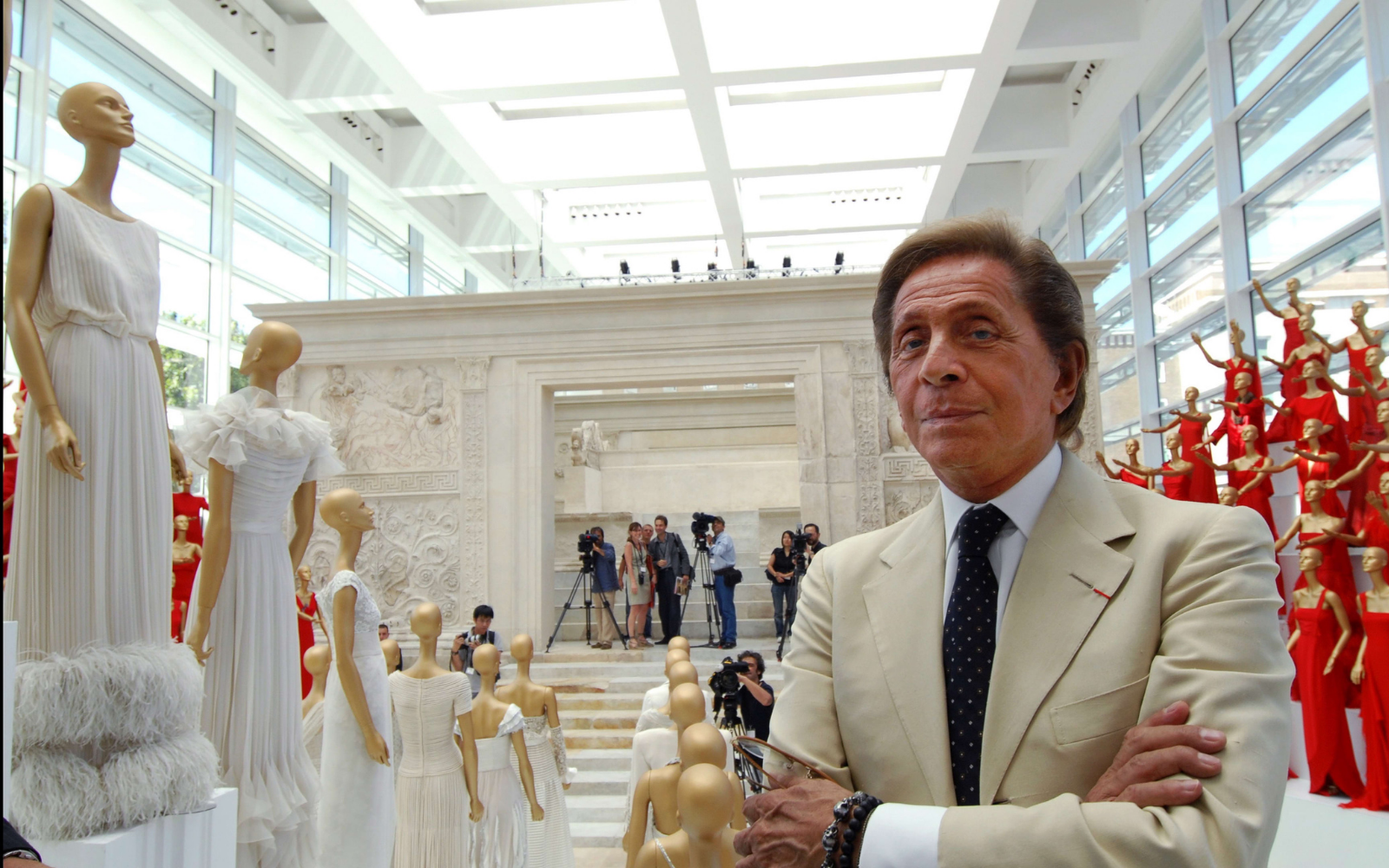
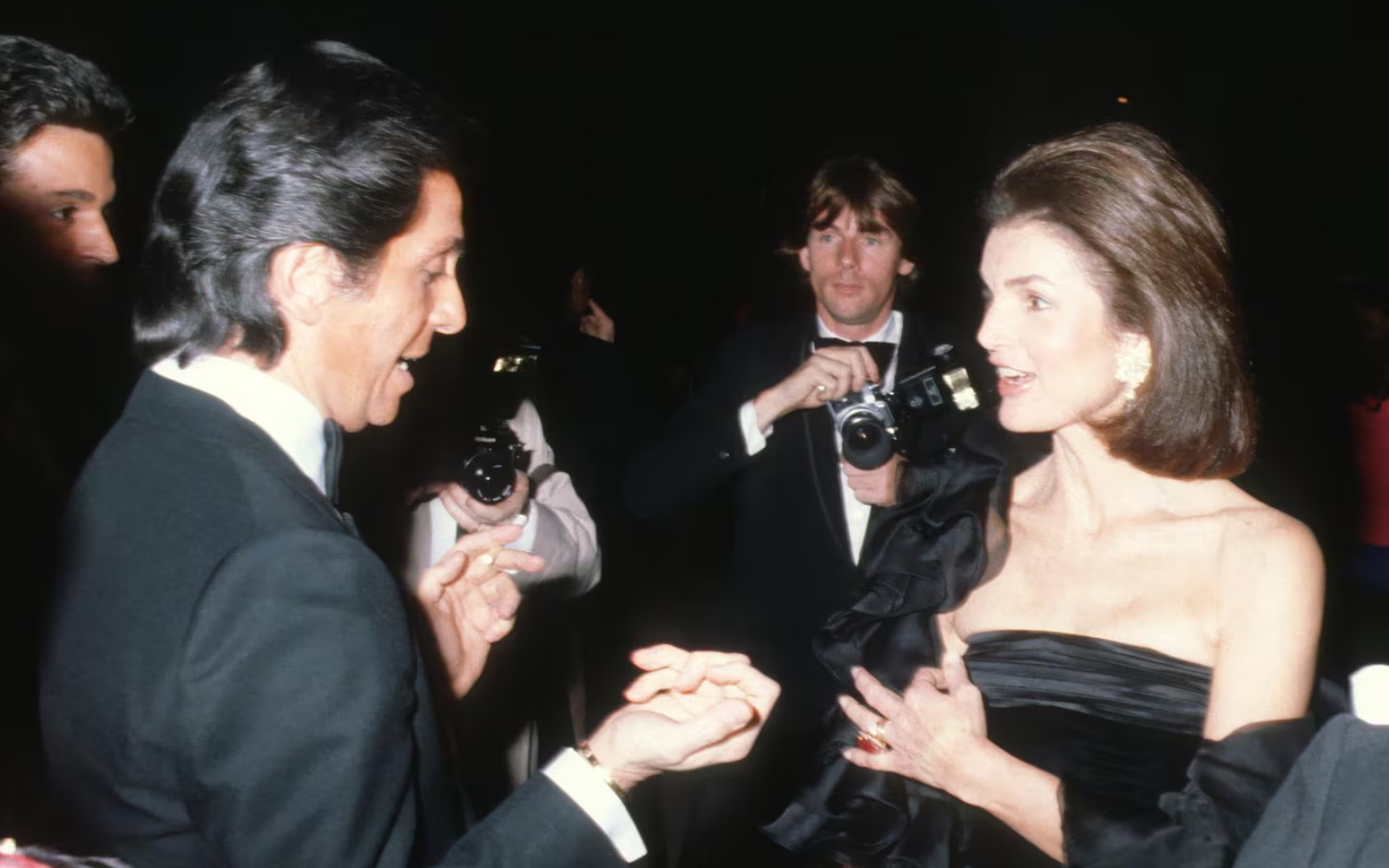
Valentino was born in 1932 in Voghera, a small town between Milan and Turin. From an early age, he showed an extraordinary fascination with beautiful things. He once recalled, “Beautiful things have been with me since I was ten years old.” At seventeen, he fled his provincial hometown for Paris, where he studied at the École des Beaux-Arts and the Chambre Syndicale de la Couture Parisienne, before apprenticing with Jean Dessès and Guy Laroche. There he absorbed the mastery of fabrics, the rigor of pattern-making, and the etiquette of the haute couture world. In 1959, he returned to Rome and opened his own maison on Via Condotti, only to nearly face bankruptcy due to what he himself called his “champagne tastes.” Then, in 1960, he met Giancarlo Giammetti in a bar on Via Veneto. One was the artist, the other the architect of a business empire. Giammetti later summed it up plainly: “He was art. I was business.” Their partnership: romantic, creative, and professional, lasted more than fifty years and became one of the greatest art–commerce alliances in fashion history.
September 1964 marked the turning point of the Valentino empire. Jacqueline Kennedy noticed a friend’s black-and-white outfit and asked who had designed it. The answer was Valentino. Days later, he brought a selection of dresses to her New York apartment. When Jackie chose Valentino for her wedding to Aristotle Onassis, the world took notice. Valentino once said, “A woman must make every head turn the moment she enters a room,” and he truly made the entire world turn toward women in his dresses.
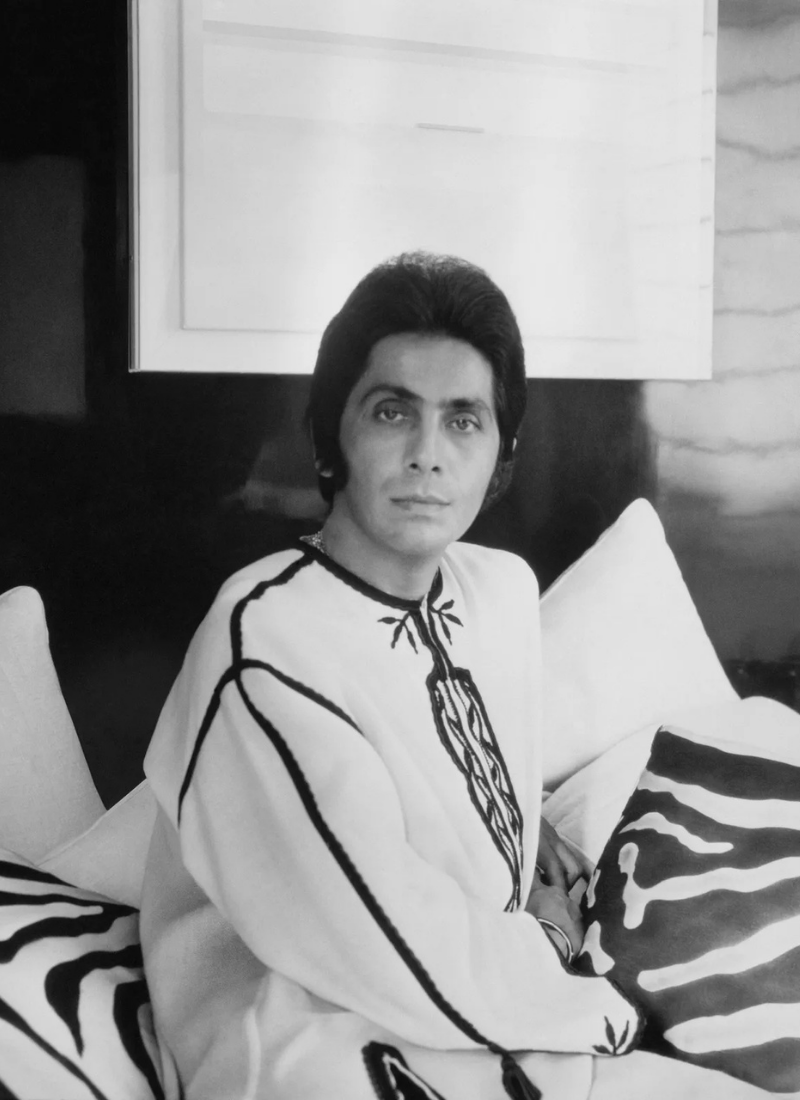
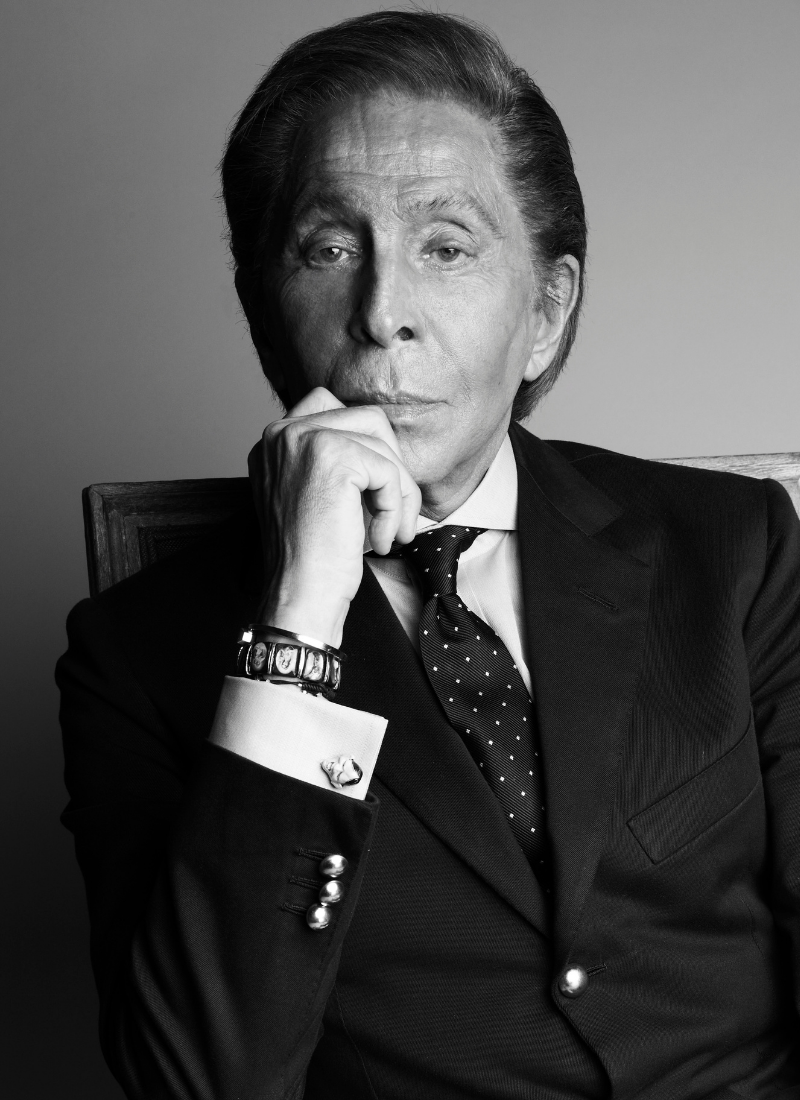
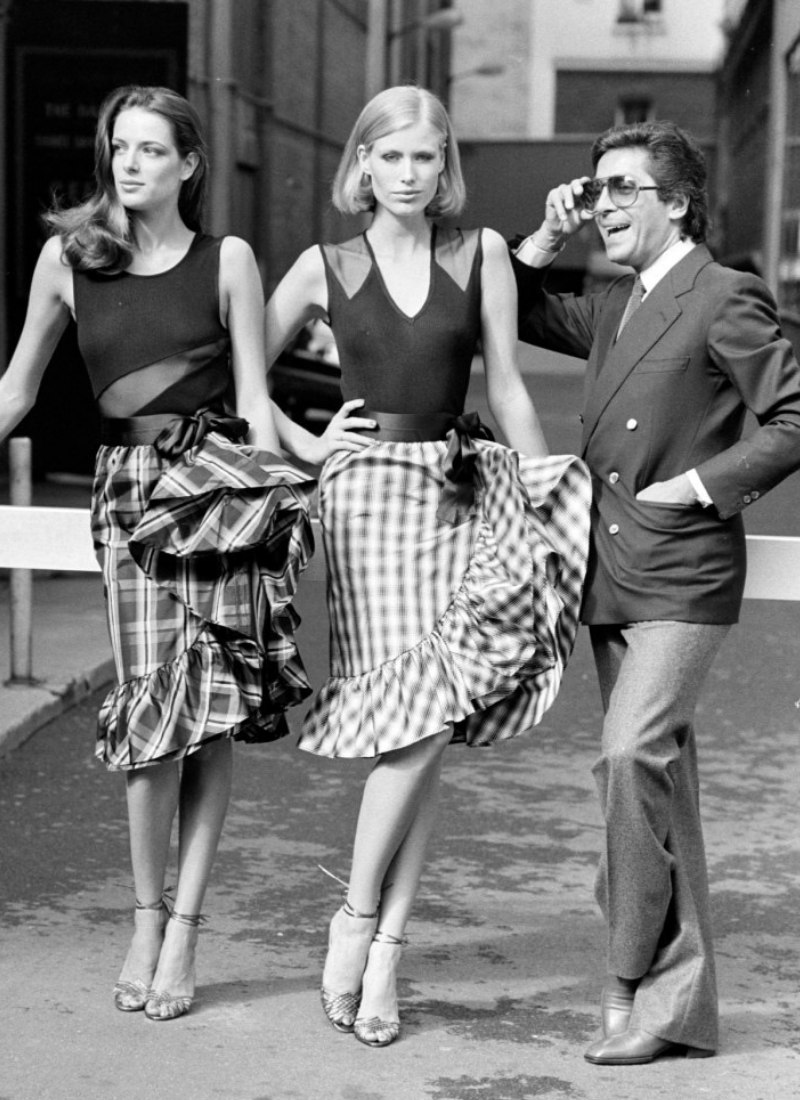
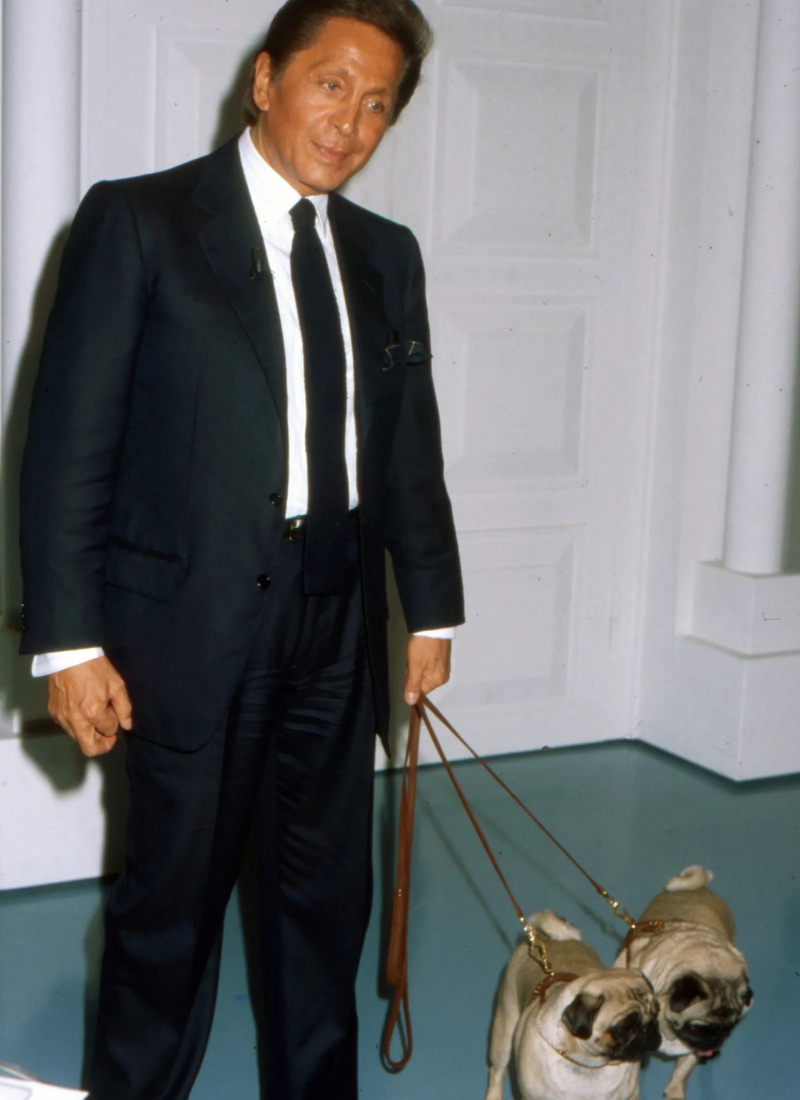
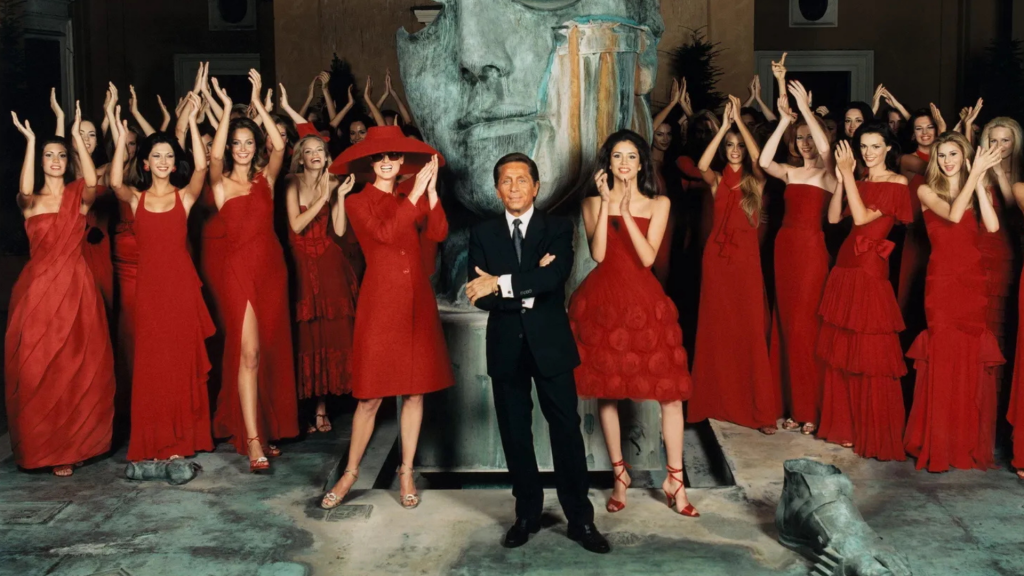
Valentino’s red was never a marketing strategy; it was memory. At seventeen, he saw the opera Carmen in Barcelona and was transfixed. “The red of the theater, the red of the costumes, and the Spanish women dressed in red, leaning out of their balconies like geraniums,” he later recalled. From then on, every collection featured at least one red dress for good luck. Valentino Red came to embody Italy itself, passion, religion, desire, and an uncompromising sense of luxury. In 1968, his All-White Couture collection, complete with minicap es, moon boots, and the iconic V motif, was hailed by Vogue as “the talk of Europe,” cementing Valentino as a pillar of modern Italian fashion.
Valentino often said that the pinnacle of his career was not commercial success, but the sight of Julia Roberts on the Oscars stage in 2001, wearing a black-and-white Valentino couture gown from 1992. “That was the moment I knew beauty could be eternal,” he reflected. In 2007, his 45th anniversary celebration in Rome, featuring a dinner at the Temple of Venus and a fashion show at the Colosseum bathed in Valentino Red, with a budget exceeding €40 million, was immortalized in The Last Emperor. The film posed the question of whether haute couture was a dying art. Valentino replied with characteristic grace, “My dear, legacy is a very big thing. I am still too young to think about it.” Yet the fashion world knew he had already set the ultimate standard of beauty.
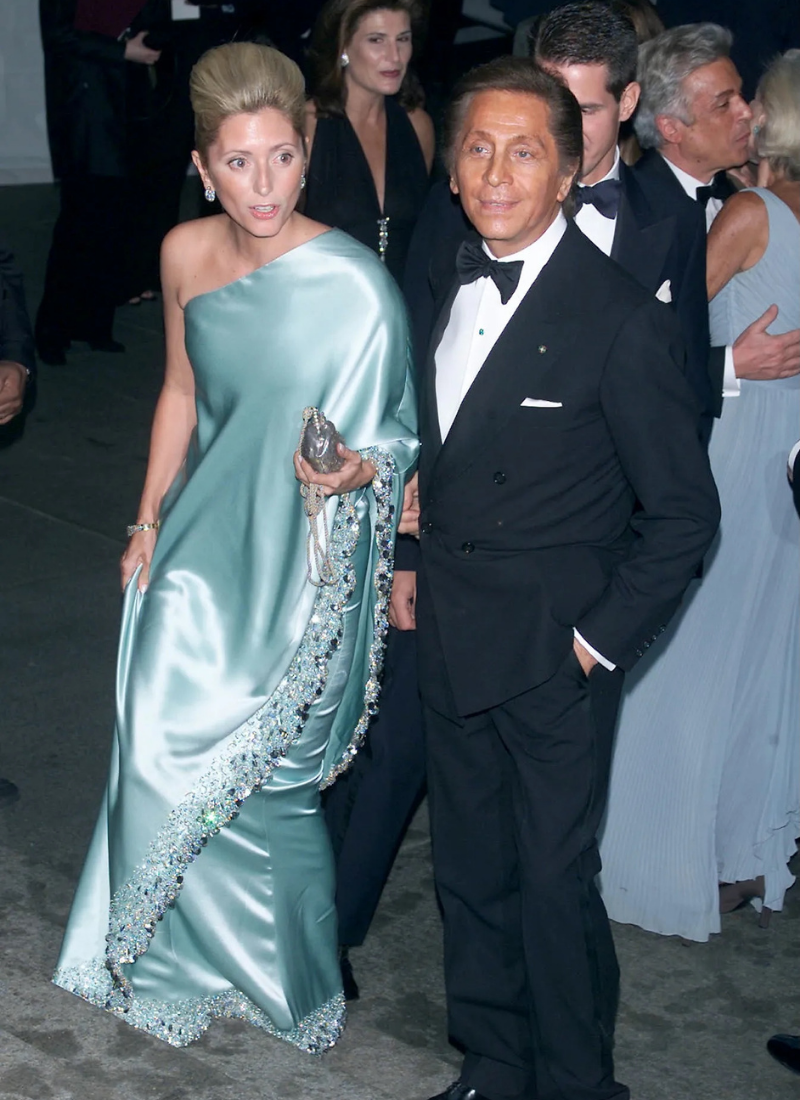
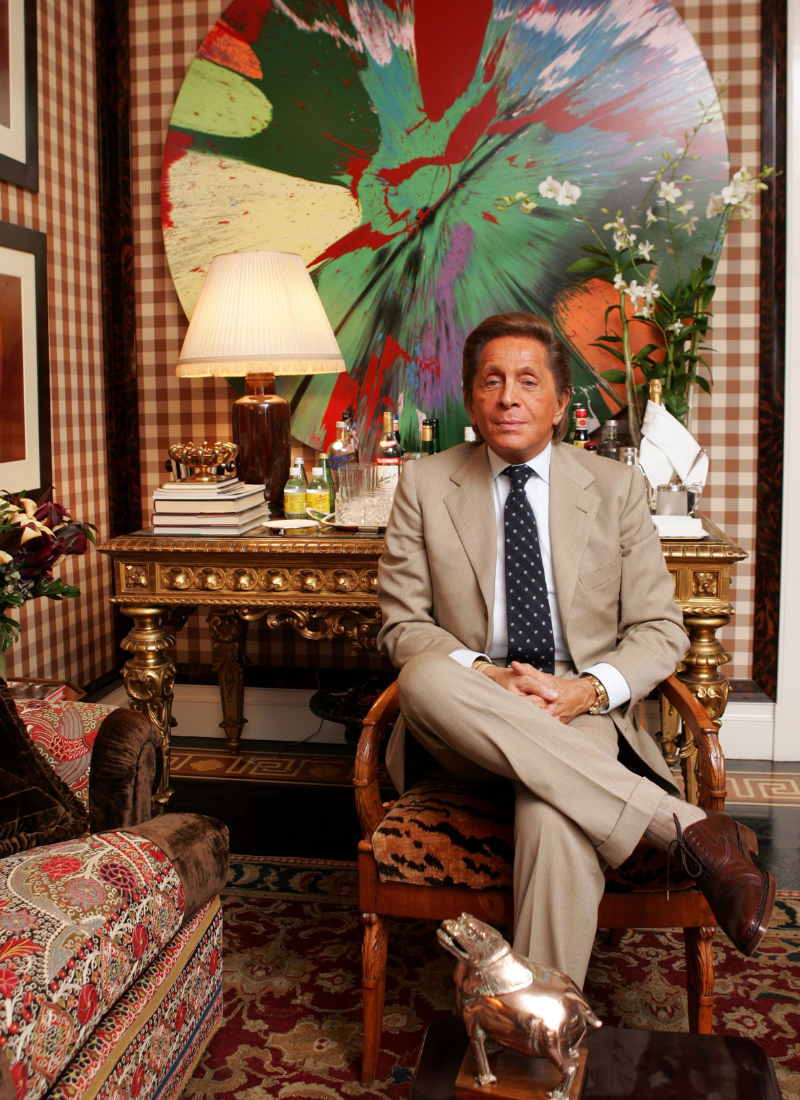
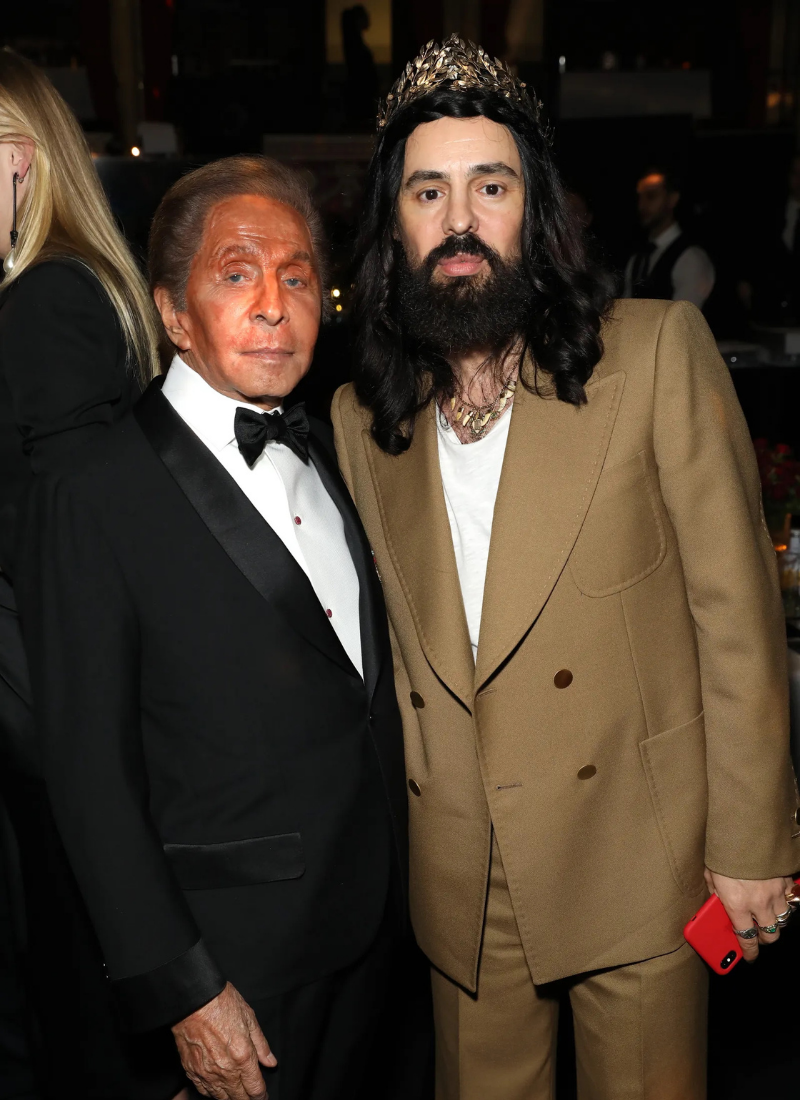
Anna Wintour once said of him, “The word ‘delight’ is what I associate most with Valentino. He understood women. His clothes were effortless, feminine, and truly beautiful.” And perhaps the most perfect epitaph for his life came from Valentino himself: “I love beauty. It’s not my fault.” He did not simply create clothes; he created dreams, manners, and a world in which women felt special. Today, the emperor has departed, but red dresses still walk the runway, and beauty, in the Valentino sense, will never die.
Rest in peace.
Valentino Garavani (1932–2026)
The last emperor of beauty.
Photo credit: vogue, gettyimages, BOF